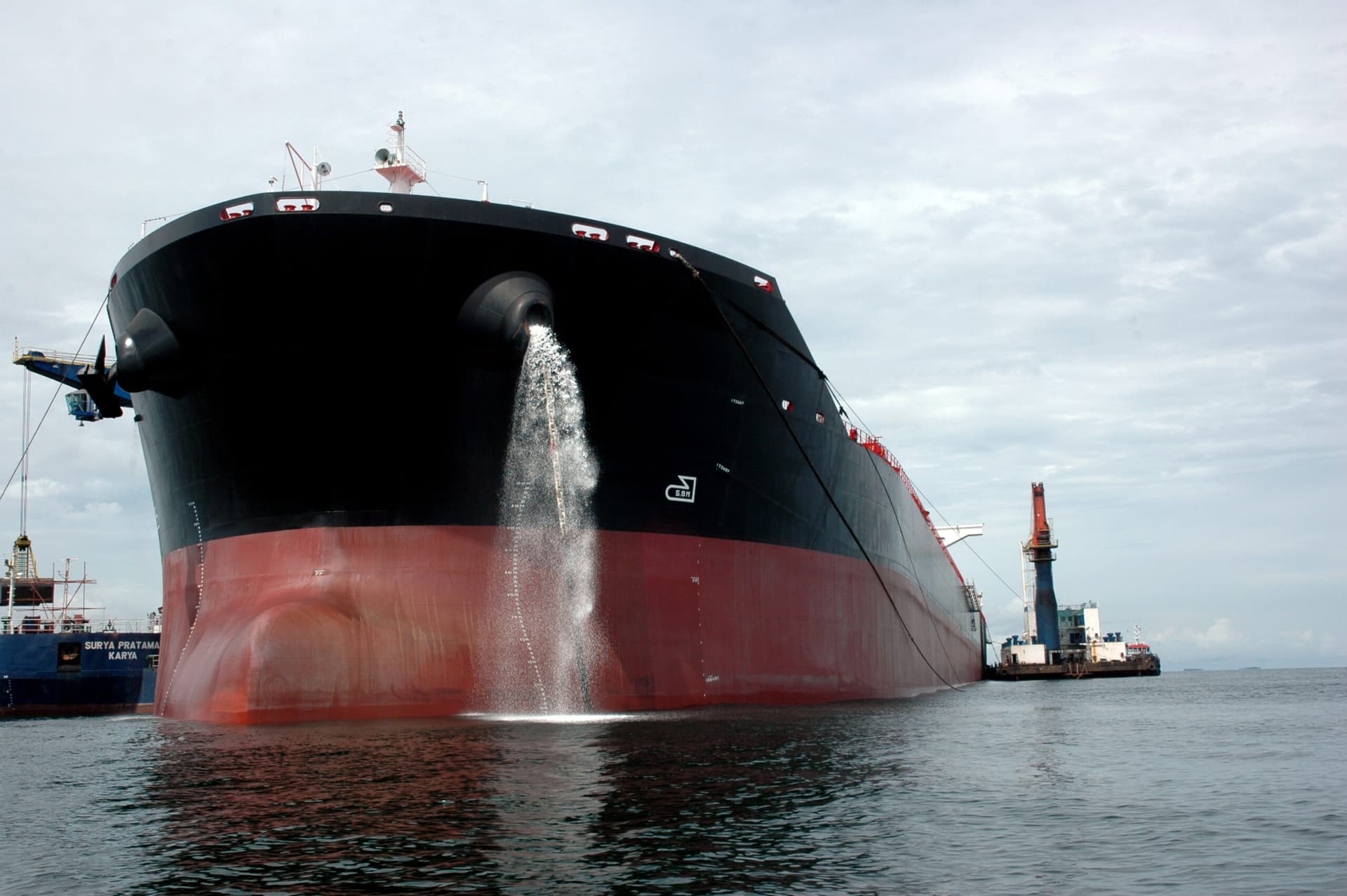
Chemical tankers are specialised vessels designed to transport liquid chemicals, vegetable oils, animal fats and certain liquefied gases in bulk. Unlike crude oil tankers that carry relatively homogeneous oil products from refineries, or product tankers that transfer refined fuel and refined petroleum products, chemical tankers handle dozens of different cargoes on a single voyage, each with unique hazard profiles.
Chemical tanker management focuses on safe and efficient transportation of hazardous chemicals by integrating technical management, crew management, commercial operations and regulatory compliance into a single disciplined framework. Chemical management minimizes risk and enhances safety across the oil industry and the broader chemicals shipping sector. The regulatory backbone includes SOLAS, MARPOL Annex II, the IBC Code, and the ISM Code, together with the TMSA self-assessment programme used by major charterers.
At Nautilus Shipping, we serve as a dedicated B2B ship-management partner for chemical tanker owners who need reliable, transparent and safety-first operations.
Market Context: Chemical Tanker Types, Routes and Cargoes
Effective tanker management must align with market structure: shipping routes, vessel classifications, tank materials and cargo mix all shape how a ship earns revenue.
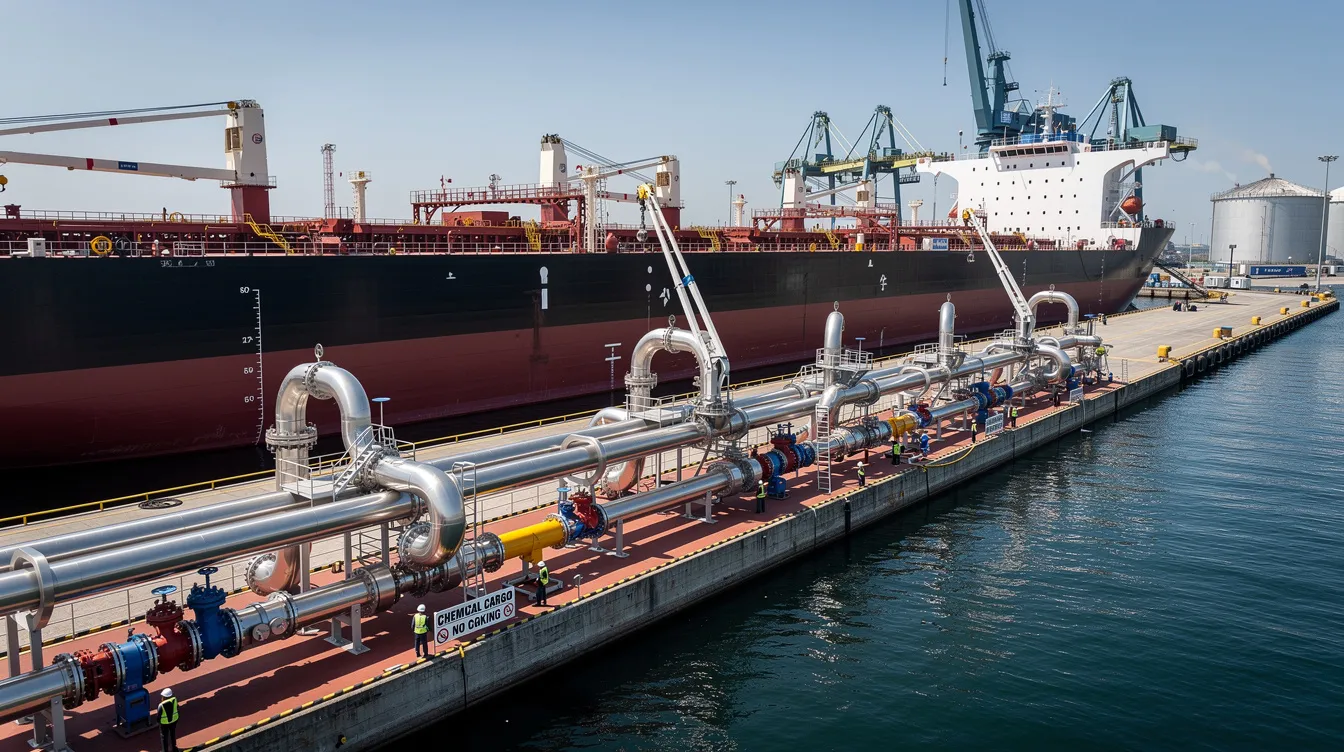
Chemical tankers operate on inland, coastal and deep-sea routes. Coastal trades are common around Southeast Asia, typically using smaller IMO Type 3 coated vessels for lower-hazard cargoes. Deep-sea voyages through the Suez Canal and across the Atlantic often require IMO Type 1 or Type 2 stainless steel tonnage for aggressive industrial chemicals. Chemical tankers often carry multiple grades of cargo on a single voyage, loading parcels at different terminals and discharging at multiple ports near large shore tanks and refineries.
The IBC Code defines three types of chemical tankers: ST1, ST2 and ST3. These three types correspond to escalating levels of containment and survival capability:
| Type | Hazard Level | Key Requirement |
|---|---|---|
| ST1 | Highest | Maximum containment; increase survival capability in damaged conditions |
| ST2 | Significant | Enhanced segregation and double-hull protection |
| ST3 | Moderate degree of hazard | Standard chemical tanker safeguards |
ST1 tankers transport the most dangerous chemical products, while ST3 vessels handle cargoes posing a moderate degree of risk. Chemical tankers must comply with the IBC Code regardless of type.
Modern chemical tankers are primarily built in Japan, Korea and China. The chemical tanker shipping market is projected to grow from 2026 to 2033, with the stainless steel segment expanding at roughly 4.6% CAGR. As of 2025, the global fleet comprised about 3,270 ships with an average age of 14.5 years and approximately 9% of vessels over 25 years old.
Core cargo groups include organic and inorganic liquid chemicals, vegetable oils and fats, refined products, and selected liquefied gases such as propylene oxide.
Main Characteristics and Technical Management of Chemical Tankers
Technical management must preserve the integrity of cargo systems, hull and machinery under constant chemical exposure. The specialised nature of these vessels means that even small maintenance lapses can lead to contamination, off-hire or regulatory detention.
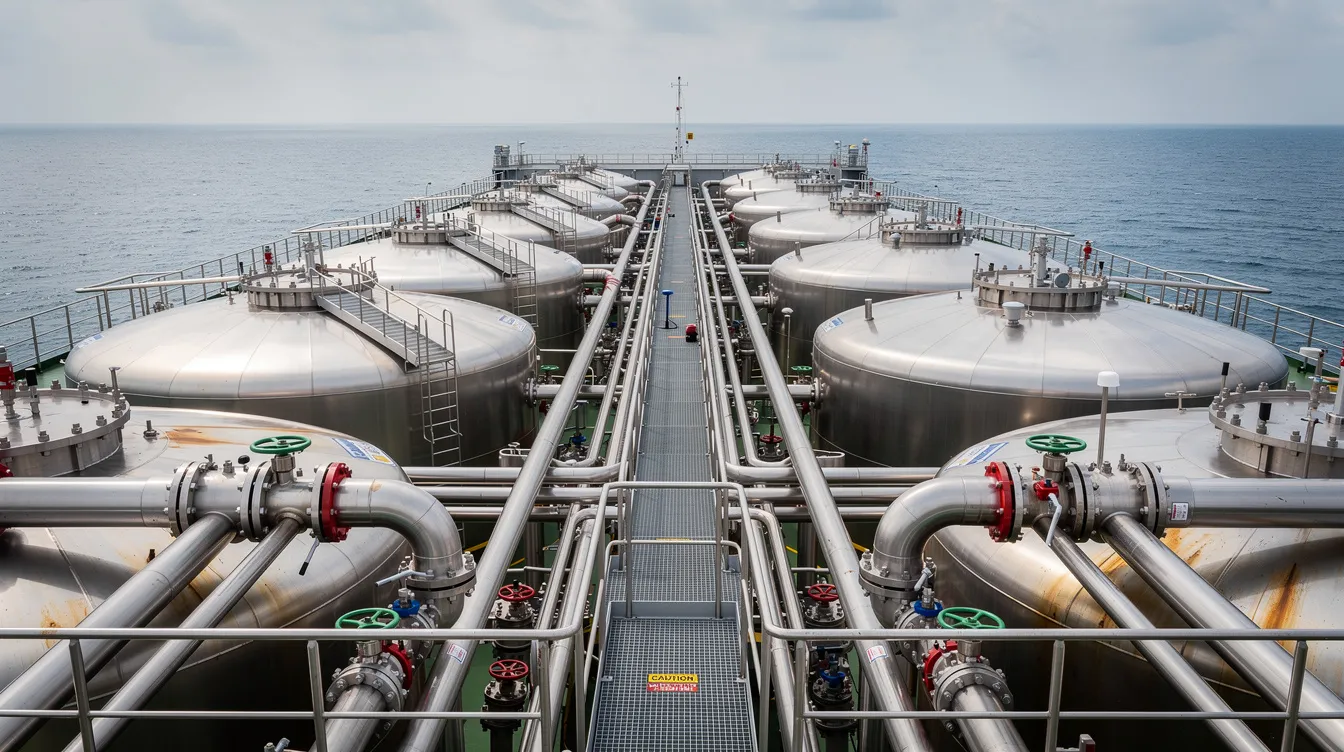
Chemical tankers feature double-hull construction for safety. Cargo tanks must be protected by double-hull plating for hazardous cargoes, providing containment that other tanker types lack. Modern chemical tankers use separate cargo tanks with independent lines and deepwell cargo pumps per tank, enabling parcel trading of incompatible cargoes without cross-contamination. Cargo tanks must withstand predefined deterministic damages to maintain survival capability even in a damaged condition.
Stainless steel cargo tanks (grades 316L, Duplex 2205) and stainless steel heating coils handle aggressive chemicals, acids, caustic solutions, and temperature-sensitive vegetable oils. Coated tanks using epoxy or zinc silicate serve less corrosive cargoes but carry limitations in cargo flexibility.
Cargo tanks must be protected by inert gas blankets, and inert gas systems are used to control the cargo atmosphere across all tanks. Nitrogen generators provide blanketing for flammable or oxygen-sensitive liquids, while ventilation systems manage toxic vapours. Chapter 15 of the IBC Code contains cargo-specific requirements that dictate which system configurations each cargo demands.
Planned maintenance activities include:
-
Coating inspections and stainless steel pickling/passivation
-
Pump, valve and deepwell cargo pump overhauls
-
Gas detection calibration and safety equipment checks
-
Ballast tank and hull inspections
Regular inspections of chemical tanker structures are critical for safety. Nautilus aligns all technical management with classification society surveys-annual, intermediate and special-and flag-state inspections to maintain compliance and protect asset value.
Nautilus Shipping’s Chemical Tanker Management Experience
Since 2007, Nautilus Shipping has supported chemical tanker owners with end-to-end crewing and technical ship management. Our focus has always been on managing tankers to the highest safety and performance standards.
Nautilus builds vessel-specific technical management plans covering machinery, cargo systems and hull condition, backed by computerised maintenance and condition monitoring. Our track record includes supporting SIRE inspections and vetting by major chemical traders, consistently reducing deficiencies and off-hire days across the fleet.
We also coordinate dry-dockings and retrofits-upgrading cargo heating, installing ballast water treatment systems or scrubbers-to keep vessels competitive as regulations evolve.
Crew Management and Training for Chemical Tankers
Safe chemical tanker operations depend on highly trained officers and ratings with specialised chemical handling competence. Personnel training is essential for maintaining safety standards in hazardous cargo management, and the risk profile of such cargo demands that every crew member understands the chemicals they carry.
Nautilus Shipping’s crew management service is tailored for chemical tanker owners. We recruit officers with STCW-compliant advanced chemical tanker endorsements (STCW A-V/1-1-3), verified sea service of at least 90 days on chemical tankers, and demonstrated experience with loading and discharging operations.
Our training framework includes:
-
Pre-joining vetting and document verification
-
Onboard familiarisation covering all cargo and safety systems
-
Periodic drills: chemical spill response, toxic exposure, enclosed space entry and escape procedures
-
Shore-based simulator training is available
Chemical tankers require chemical-resistant suits for toxic cargoes, and crew must be proficient in their use alongside SCBA and portable gas detectors. We also prioritise seafarer welfare-internet access, mental-health support and fair rotation patterns-because crew retention directly reduces human-element incidents.
Nautilus maintains crew matrices aligned with oil major and charterer requirements, helping owners clear vetting hurdles for every voyage.
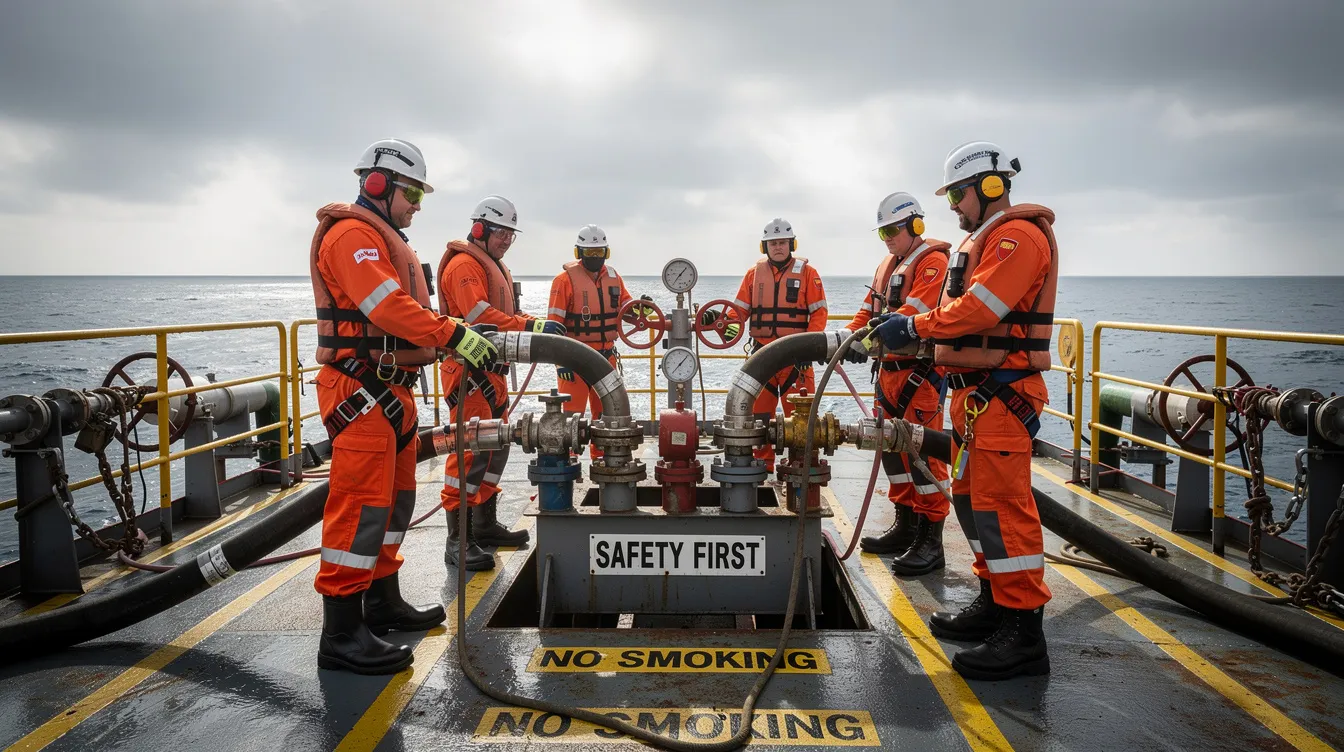
Operational Excellence: Cargo Handling, Cleaning and Safety
Daily operations-loading, carriage and discharge of liquid chemicals, vegetable oils and liquefied gases between ship and large shore tanks-are where most risks arise. Adherence to strict protocols reduces the risk of environmental pollution during chemical transport, and every procedure must account for the reactive, toxic or corrosive nature of the cargo.
Best practices for cargo planning include compatibility checks using an up-to-date cargo compatibility matrix, stowage plans that segregate incompatible cargoes in separate cargo tanks, and voyage planning for temperature-controlled oil products. Efficient operations management minimizes downtime and reduces operational costs, while operational efficiency is achieved by optimizing inventory levels of consumables, chemicals and cleaning agents.
Cargo tanks must be cleaned to avoid contamination of subsequent loads. Proper cleaning facilitates quick turnaround times for new cargo-wall-wash tests, which confirm residue levels before the next loading. Cargo quality maintenance prevents contamination during chemical transport, which is critical when switching between, say, an aggressive acid and a food-grade vegetable oil.
Safety controls on chemical tankers demand significant preventive measures:
-
Chemical-resistant suits, SCBA and portable gas detectors for toxic cargo operations
-
Continuous toxic vapour monitoring and inert atmosphere management
-
Dedicated fire-fighting systems compatible with chemical cargoes
-
Antidotes for all cargoes must be available on board per IBC Code requirements
Example: A vessel switching from a methanol cargo to a high-purity vegetable oil can avoid a contamination claim only if the tank cleaning sequence-rinse, recirculate with hot water, ventilate, wall-wash sample-is executed precisely. On Nautilus-managed vessels, this procedure is documented, audited and drilled, which has helped owners avoid costly off-hire and cargo claims.
Regulatory Compliance, Sustainability and Digitalisation in Tanker Management
Modern chemical tanker management must align with environmental regulations and embrace industry best practices through digital tools that improve efficient vessel operation. Safety compliance requires adherence to IMO regulations across all operations at sea and in port.
Core compliance pillars include:
-
SOLAS safety rules and international safety management under the ISM Code
-
MARPOL Annexes I and II covering oil spills prevention and noxious liquid substances
-
IBC Code requirements for ship type, equipment and hazardous chemicals handling
-
Environmental compliance with EEXI and CII ratings
Nautilus supports sustainability through fuel-efficiency optimisation, ballast-water management compliance, waste handling for slop and wash water, and planning for future decarbonisation measures. While digital performance monitoring is a relatively new concept in parts of the chemical tanker fleet, we deploy voyage data analysis, hull performance tracking and fuel consumption dashboards that deliver measurable commercial outcomes.
We provide transparent reporting to owners on KPIs including off-hire days, incidents, near-misses, vetting performance and emissions indicators, giving full visibility into how each vessel in the fleet performs.
Ready to discuss tailored digital reporting and sustainability roadmaps? Contact us here.
How Nautilus Shipping Partners with Chemical Tanker Owners
Nautilus positions itself as a long-term management partner rather than a transactional service vendor. Our engagement process begins with an initial fleet assessment, followed by a technical and crewing gap analysis, a mobilisation plan, and onboarding of vessels into Nautilus systems.
Key service components for chemical tankers include:
-
Full technical management and classification survey coordination
-
Crew management with chemical-tanker-specific recruitment
-
Commercial operations support, budget control and procurement
-
Dry-docking supervision and retrofit project management
We customise management models-full management, crew-only or technical-only-according to each owner’s in-house capabilities.
Whether you operate stainless steel or coated vessels, we invite you to reach out through nautilusshipping.com/contact-us to discuss how we can support your chemical tanker fleet.
FAQs
1.How does chemical tanker management differ from crude or product tanker management?
Chemical tankers routinely carry multiple grades simultaneously, requiring strict segregation, complex cargo planning and more intensive tank cleaning than crude oil tankers or vessels that transport bulk refined petroleum products. Stainless steel tanks, higher-specification coatings and detailed compatibility checks are standard, whereas crude oil and refined fuel tankers typically focus on fewer, more homogeneous cargoes. Crew on chemical tankers also need advanced chemical handling training to manage toxic, corrosive or highly reactive cargoes safely.
2. Can Nautilus provide crew only, without full technical management?
Yes. Nautilus offers flexible models: crew management only, technical management only, or full ship management for chemical tankers. Crew-only solutions still include recruitment, documentation, training coordination, payroll and rotation planning tailored for chemical vessels. Contact us to design a scope that matches your in-house technical and commercial capabilities.
3. How does Nautilus help owners prepare for vetting and inspections on chemical tankers?
Nautilus runs pre-vetting inspections, internal audits and crew briefings before SIRE, CDI and flag/class surveys. Historical vetting findings and near-miss reports are analysed to create targeted corrective actions per vessel.
4. What are the first steps to engage Nautilus Shipping for chemical tanker management?
The first step is an introductory consultation where owners share fleet details-vessel list, age, tank material, trading pattern and current issues. Nautilus then prepares a tailored proposal covering technical management, crew management, budget estimates and performance targets. Submit an enquiry through nautilusshipping.com/contact-us and indicate “chemical tanker management” as your primary interest.