
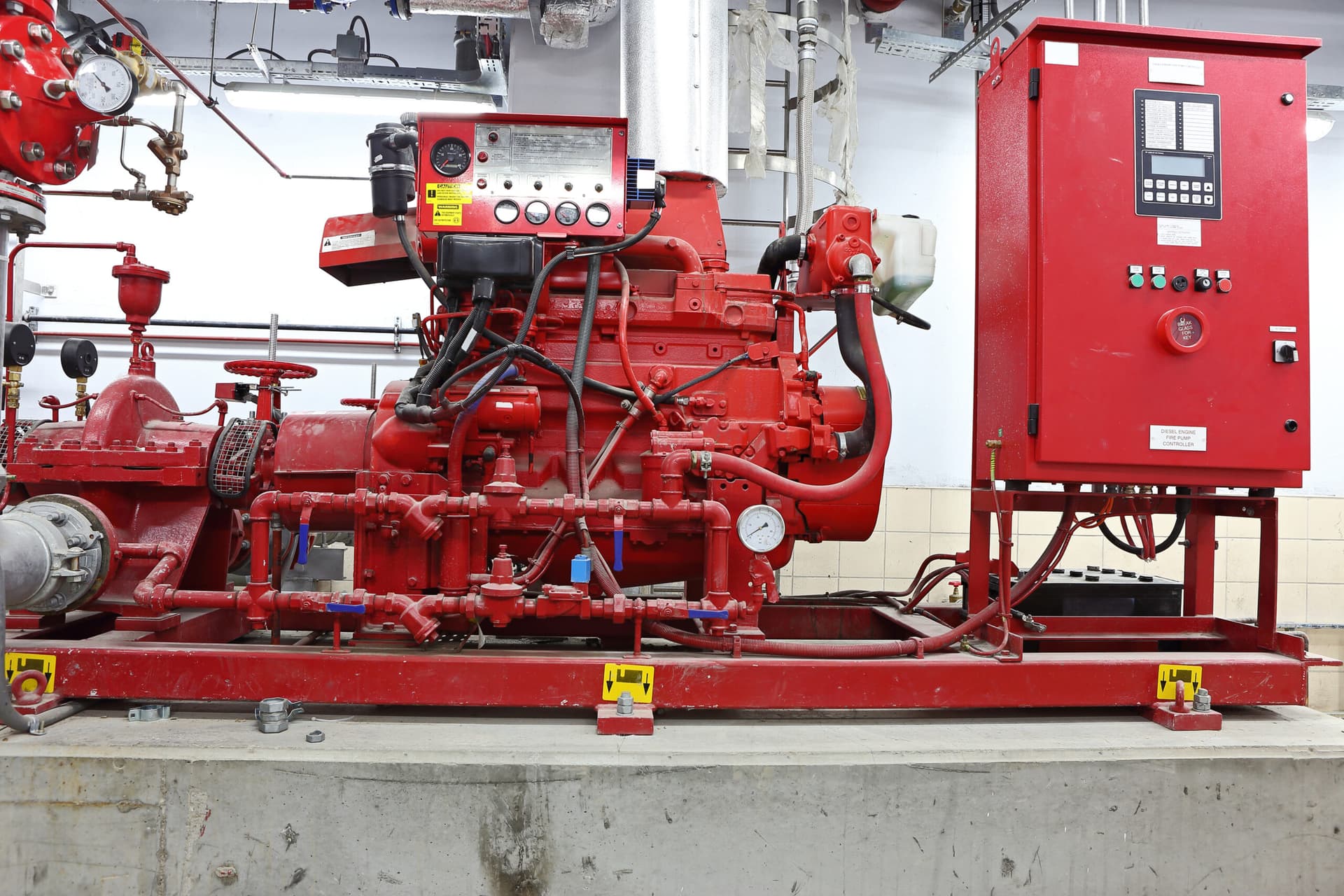
Fire is one of the most serious risks on ships. With fuel, cargo, electrical systems, and confined spaces onboard, even a small fire can quickly become very dangerous. This is why fire pumps on ships are a critical part of every vessel’s safety system.
Marine fire pumps are part of the ship’s fire protection system, designed to deliver water with the required pressure and flow during emergencies. Whether it is a machinery malfunction incident or a deck fire, these systems ensure that firefighting can begin immediately.
For seafarers, understanding how these fire pumps work, how they are tested, and how they are maintained is essential for safe operations at sea. Informed quick action can save lives in a matter of seconds.
What Are Fire Pumps on Ships?
A fire pump on a ship is a system that supplies water at high pressure to firefighting lines across the vessel. These pumps draw water, typically from the sea chest, and push it through the fire main.
This water is then used by:
-
Fire hoses
-
Fire hydrants
-
ire sprinklers
-
Fixed sprinkler systems
Most marine fire pumps are centrifugal, as they provide stable flow, high capacity, and reliable performance during emergencies.
Why Fire Pumps Are Important
Fire pumps are central to every ship’s fire protection system.
Without sufficient pressure, even the most advanced firefighting systems cannot function properly. The main fire pumps make sure that water reaches all parts of the ship quickly and efficiently.
These systems help:
-
Control and suppress fires
-
Protect crew and cargo
-
Maintain vessel safety
-
Meet SOLAS and industry standards
This makes marine fire pumps an essential safety requirement onboard all ships.
How and When Fire Pumps Are Used
How They Work
-
Water is drawn from the sea chest
-
The pump increases pressure
-
Water flows through the fire main
-
It reaches hoses, hydrants, or sprinkler systems
Some vessels also integrate fire sprinkler system drops for automated fire response.
When They Are Used
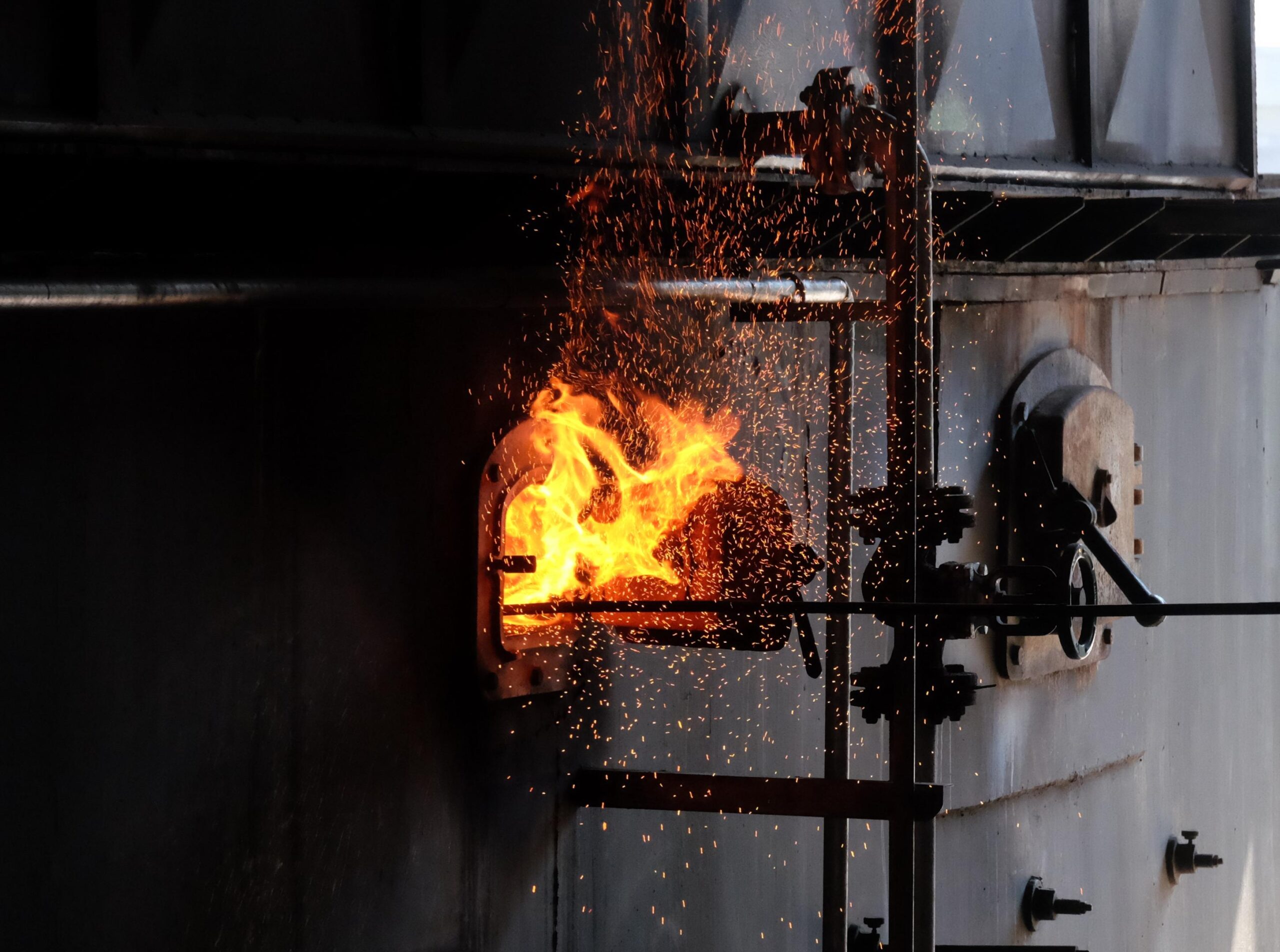
Fire pumps are used during:
-
Engine room fires
-
Cargo-related fires
-
Accommodation fires
-
Electrical fires
They are also used during routine drills and system testing to ensure readiness.
Types of Fire Pumps Used on Ships
Different fire pumps are used based on vessel design and operational needs.
Centrifugal Fire Pumps
-
Most common in marine fire pumps
-
High flow and steady pressure
-
Suitable for continuous firefighting
Horizontal Split Case Pumps
-
Widely used in marine applications
-
Easy maintenance
-
Strong and reliable
Vertical Turbine Pumps
-
Used when suction depth is higher
-
Suitable for larger vessels
Positive Displacement Pumps
-
Deliver higher pressure
-
Useful for foam and specialized systems
Each type is selected based on capacity, pressure, and operational requirements.
Main Fire Pump vs Emergency Fire Pump
Main Fire Pump
-
Located in the engine room
-
Powered by an electric motor or diesel engine
-
Primary firefighting unit
Emergency Fire Pump
-
Located outside the engine room
-
Independently powered
-
Used if the main system fails
SOLAS requires that emergency fire pumps can still deliver sufficient pressure and flow even in worst-case scenarios.
Supporting Systems: Pressure Maintenance Pump
A pressure maintenance pump helps maintain constant system pressure.
It:
-
Compensates for minor leaks
-
Prevents unnecessary start of the main fire pump
-
Improves overall system reliability
This ensures that the fire protection system is always ready.
Key Components in Fire Pump Systems
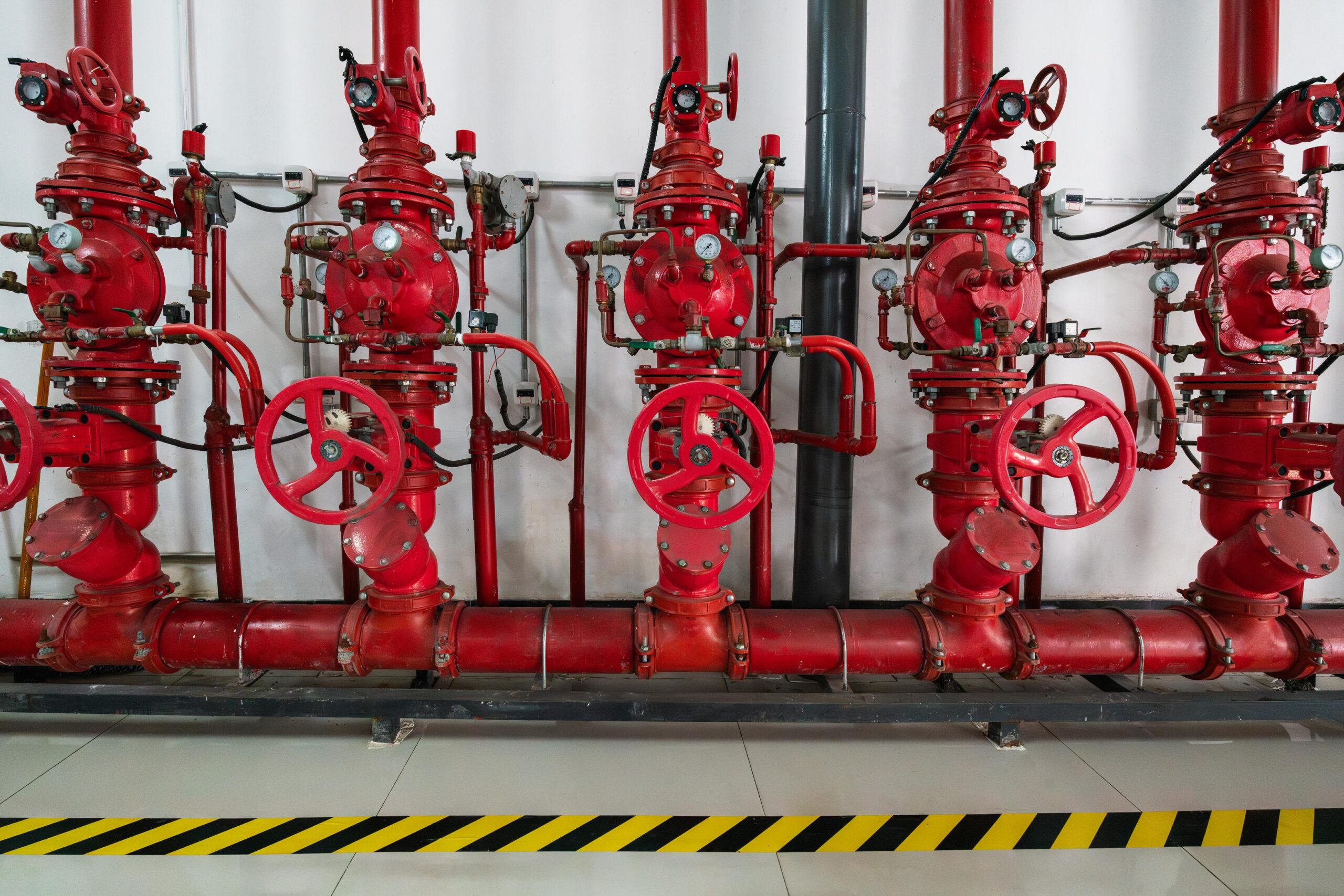
A ship’s firefighting setup includes a complete line of interconnected systems:
-
Fire pumps (main and emergency)
-
Valves for flow control
-
Fire mains and pipelines
-
Sprinkler systems
-
Control panel
-
Pressure gauges and test instruments
All these components must work together to deliver effective firefighting capability.
Procedure: Starting a Fire Pump
Before operating any fire pump, proper checks are required.
Basic Steps
-
Check all valves are open
-
Ensure pump is primed
-
Verify pressure levels
-
Confirm power source (electric motor or diesel engine)
-
Start the pump
-
Monitor flow and system response
Correct procedures ensure safe and efficient operation.
Testing Fire Pumps on Ships
Regular testing of fire pumps is critical to ensure that all systems perform during an actual emergency.
Why Testing Matters
-
Confirms correct pressure and flow
-
Detects early faults in pumps and systems
-
Ensures compliance with SOLAS and industry standards
-
Improves overall firefighting readiness
What Is Checked During Testing
-
Discharge pressure levels
-
Water flow across the system
-
Pump capacity and performance
-
Function of valves and pipelines
-
Operation of backup and emergency fire pumps
Types of Testing
-
Routine testing during drills
-
Weekly and monthly system checks
-
Full system performance testing
Testing also ensures that sprinkler systems, hoses, and hydrants are properly connected and functional.
Maintaining Fire Pumps on Ships
Proper maintenance is key to ensure the long-term reliability of marine fire pumps.
Why Maintenance Is Important
-
Prevents system failure during emergencies
-
Extends equipment life
-
Maintains consistent pressure and flow
-
Ensures compliance with industry standards
Routine Maintenance Checks
Daily
-
Visual inspection
-
Check for leaks or damage
-
Monitor temperature and sound
Weekly
-
Check pressure readings
-
Monitor vibrations
-
Inspect pump performance
Monthly
-
Check alignment of pump and motor
-
Lubricate moving parts
-
Inspect coupling and bearings
Periodic
-
Full system inspection
-
Calibration of test instruments
-
Inspection of backup systems
Key Maintenance Focus Areas
-
Proper installation and alignment
-
Clean and functional valves
-
Reliable air supply for operation
-
No abnormal vibrations
-
Consistent system pressure
Well-maintained fire pumps ensure that firefighting systems remain effective when needed.
Safety and Warnings
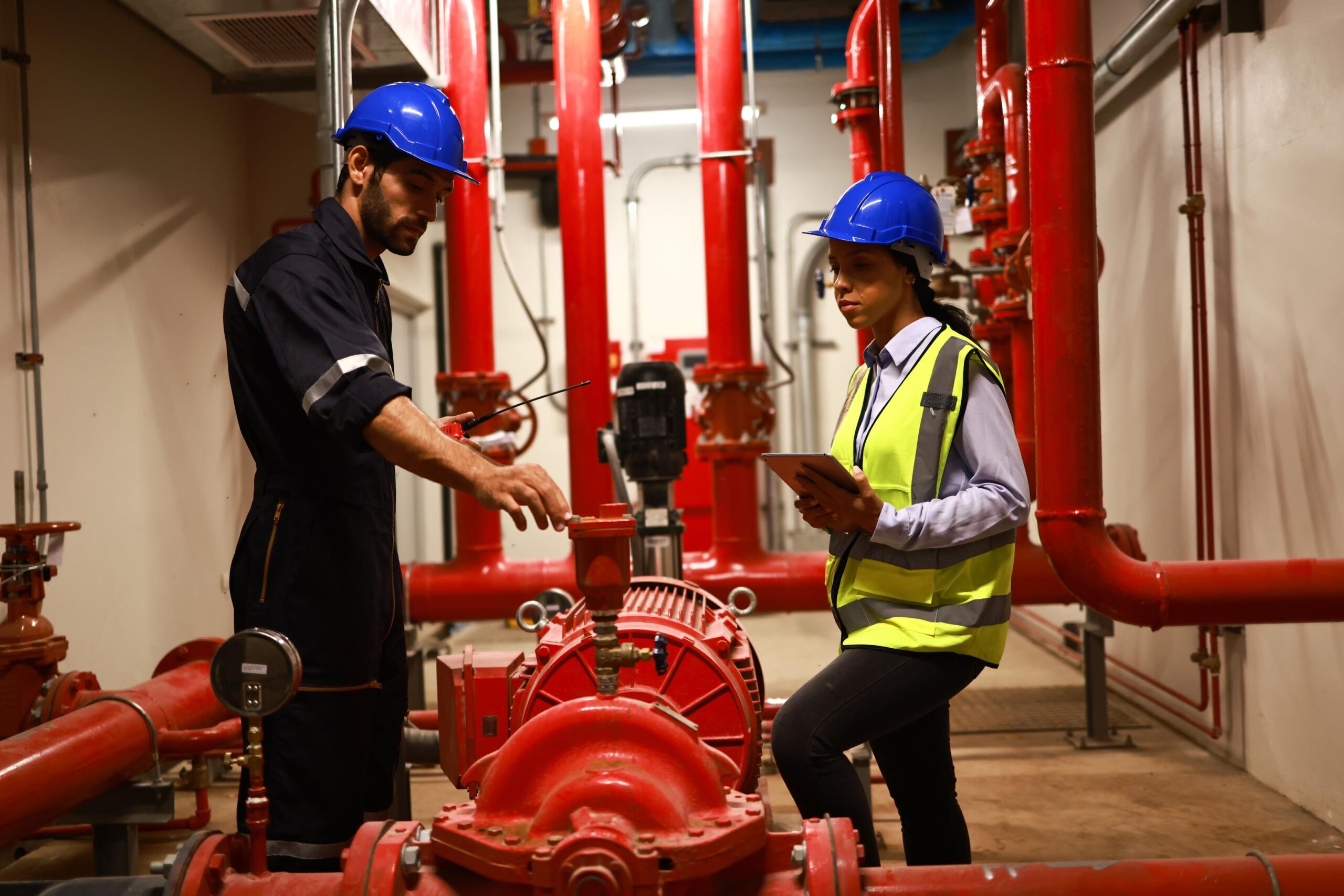
Working with fire pumps requires attention to safety.
Important Points
-
Never operate pumps without water
-
Maintain proper priming
-
Monitor system pressure at all times
-
Avoid operating under unstable conditions
-
Ensure proper use of protective equipment
Safety procedures must always be followed to protect both crew and equipment.
Things to Keep in Mind
-
Fire pump systems must always be ready
-
Regular testing and maintenance are essential
-
Backup systems must remain operational
-
Crew training is critical for effective firefighting
-
System reliability depends on consistent checks
Conclusion
Fire pumps are a critical part of shipboard safety. These systems ensure that water is delivered with the right pressure and flow to control fires quickly and effectively.
From the main fire pump to the emergency backup system, every component plays a role in protecting the vessel. Regular testing, proper maintenance, and correct operation ensure that these marine fire pumps remain reliable.
For seafarers, knowing how these systems work is an essential part of safe and responsible operations at sea.
FAQs
1. What is a fire pump on ships?
A fire pump on ships supplies water at high pressure to firefighting systems like hoses and sprinklers.
2. What types of fire pumps are used on ships?
Centrifugal pumps are most common, along with horizontal split case and vertical turbine pumps.
3. Why is testing fire pumps important?
Testing ensures that pumps deliver the required pressure and flow during emergencies.
4. How often should fire pumps be maintained?
Maintenance should be done daily, weekly, monthly, and periodically as per regulations.
5. What powers marine fire pumps?
They are typically powered by an electric motor or a diesel engine.