
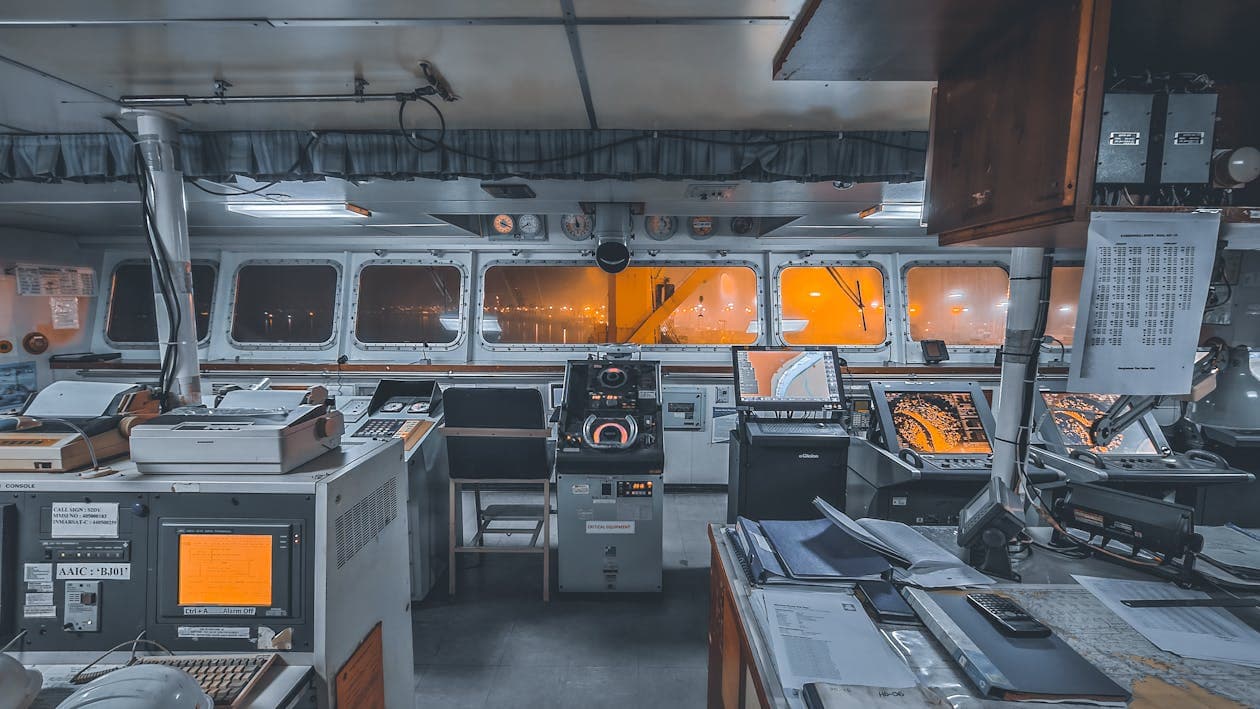
Machinery failure at sea remains one of the most persistent and costly threats facing the global shipping industry. Every year, hundreds of reported incidents involving propulsion loss, steering malfunction, or total blackout put crew members, cargo interests, and the marine environment at risk. This guide breaks down the causes, consequences, and prevention strategies that shipowners and operators need to understand to protect their fleets.
Key Takeaways
- Machinery failure at sea is the leading cause of marine incidents recorded globally, with nearly 75% of marine incidents involving equipment failures between 2019 and 2021. Propulsion and steering systems account for the largest share of these events.
- Common failures at sea are often due to poor maintenance and human error, compounded by fuel contamination, ageing vessels, and environmental stresses in high-risk waters.
- Robust preventive maintenance and a disciplined Planned Maintenance System dramatically reduce breakdowns, operational delays, and insurance claims. During AMSA’s focused inspection campaign in 2022, 271 ships were inspected and 17 ships were detained due to planned maintenance deficiencies.
- Nautilus Shipping’s technical and crew management practices focus on early detection, condition monitoring, and structured drills to ensure safe operations in areas such as the South China Sea and Red Sea.
- Geopolitical risks, regional conflicts, extreme weather, and supply-chain pressure make it even more critical to invest in reliable machinery, well-trained crew members, and data-driven fleet management.
Understanding Machinery Failure at Sea
Machinery failure at sea refers to the loss or degradation of critical systems-propulsion, power generation, steering, or essential auxiliaries-while a vessel is underway. For shipowners and charterers, it represents a core operational risk that can cascade into grounding, collision, or environmental pollution within minutes.
The systems typically involved include main engines, auxiliary generators, shafting and propellers, steering gear (hydraulic rams, electro-hydraulic actuators), fuel and lube oil treatment equipment, cooling systems, electrical switchboards, and automation or control systems. Even a partial fault, such as a drop in lube oil pressure or a sensor malfunction, can escalate to full blackout if not caught early.
The data underscores the scale of the problem. According to the Allianz Safety and Shipping Review, machinery damage has consistently ranked as the top cause of shipping incidents over the past decade, accounting for over half of all reported incidents among vessels above 100 GT. Allianz Commercial data confirms machinery claims remain among the costliest categories, exceeding US$1 billion in claim value across recent reporting periods.
A “minor” mechanical failure-a sticking fuel injector, a tripped generator-can quickly become a major incident in congested waters or coastal approaches. That reality is why Nautilus Shipping’s technical ship management model is built around proactive monitoring and structured maintenance to minimize machinery-related off-hire and incidents.
Common Causes of Machinery Failure
Most machinery failures are preventable. They typically involve a combination of technical degradation, human factors, and organizational shortcomings rather than a single root cause.
Inadequate ship maintenance is the most frequent contributor. When preventive maintenance tasks are deferred-overdue cylinder overhauls, neglected purifier servicing, worn fuel pumps left in service-wear accumulates and reliability drops. The primary causes of machinery failure at sea include inadequate lubrication and fluid contamination, both of which accelerate component degradation. Lubrication breakdown and contamination alone account for a significant share of equipment failures across the global fleet.
Human error by crew members triggers a large proportion of failures. Incorrect valve line-ups, improper lube oil grades, poor bunkering procedures, or silenced alarms are recurring patterns. Human operational or maintenance errors remain a leading pathway to machinery failure at sea.
Fuel quality issues have become increasingly prominent. In 2022, VLSFO bunkered in Singapore and the US Gulf was found to contain chlorinated organic compounds and FAME contamination at levels far exceeding acceptable limits. Ships reported injector sticking, fuel filters clogging, and loss of power. Microbial growth in fuel, often called the “diesel bug,” can also lead to equipment failures if fuel tanks are not properly treated and tested.
Ageing fleets and deferred capital expenditure compound these risks. Vessels older than 20–25 years are more prone to fatigue cracks, automation obsolescence, and worn components that reduce built-in redundancy. Continuous hull vibration and metal fatigue contribute to machinery failure at sea over time, particularly in ships that operate continuously on long-haul routes.
Environmental stresses such as heavy weather, high ambient temperatures in the Middle East and South China Sea, and heavy sea states push machinery to its operating limits, overloading cooling systems and stressing shaft alignment.
Harsh marine corrosion is another persistent cause. Corrosion can weaken structural integrity and cause leaks, typically affecting critical areas like hulls and pipelines. Corrosion in ballast tanks can lead to structural failure if left unchecked. Protective coatings help mitigate corrosion on ship structures, but they require regular renewal.
Finally, latent design or manufacturing defects-such as steering gear ram foundation brackets with insufficient stress relief or defective control cards-may only surface under specific load or temperature conditions.
Risks and Consequences for Shipowners and Operators
Machinery failure at sea creates multi-dimensional risk spanning safety, commercial performance, regulatory compliance, and reputation.
Safety consequences are the most immediate. A blackout in a traffic separation scheme, loss of steering near a coastal approach, or propulsion failure in narrow straits like Malacca can lead to collision or grounding. Oil leaks in engine rooms can lead to fire hazards, and even minor fires during a blackout can escalate when firefighting efforts are hampered by power loss.
Financial impacts are substantial. Off-hire periods, emergency towage, deviation costs, costly repairs at non-preferred shipyards, and charterparty performance claims add up quickly. Allianz Commercial data shows machinery damage consistently ranks among the highest-value marine insurance claim categories. Regular maintenance reduces operational costs by preventing major equipment failures.
Regulatory and insurance consequences include Port State Control detentions, class conditions or suspensions, and increased hull and machinery or P&I premiums after repeated incidents. Compliance with maritime regulations prevents costly detentions and penalties-a reality reinforced by AMSA’s 2022 campaign results.
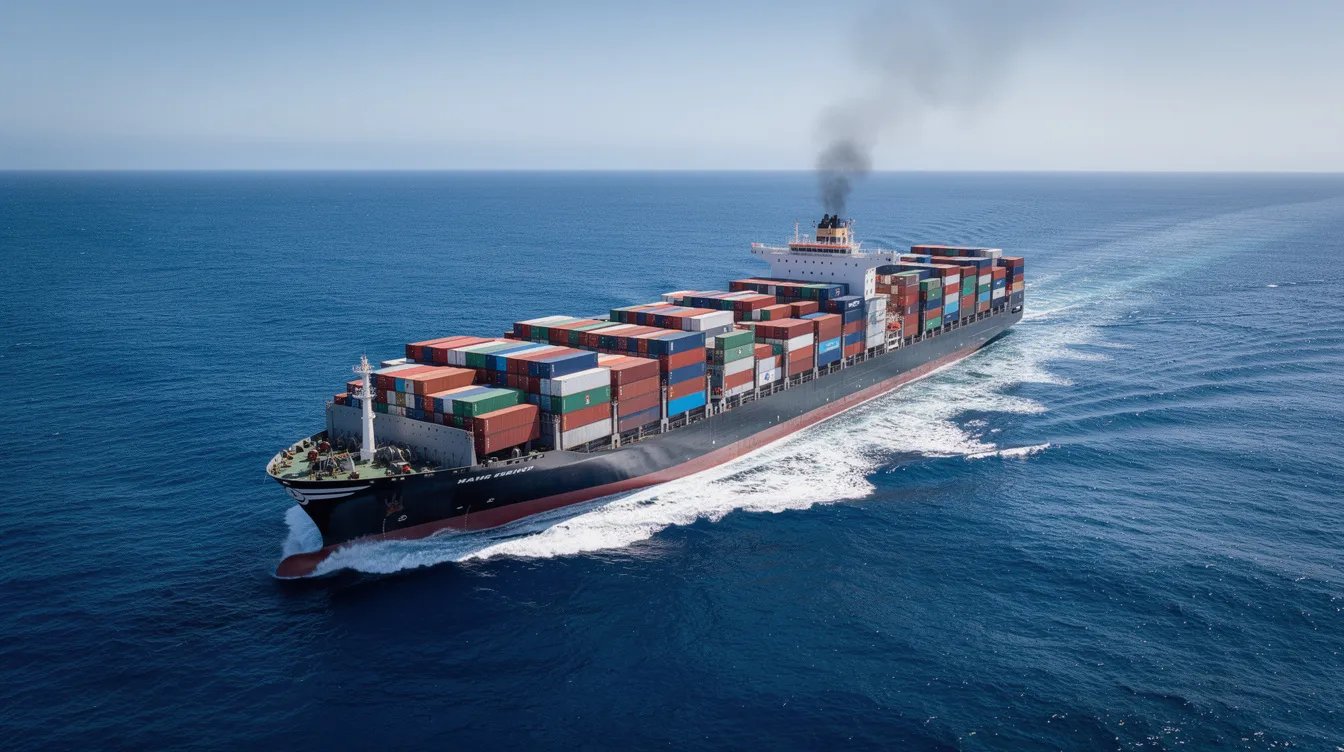
Supply chain disruption extends beyond the vessel. An unexpected delay of a large container ship on an Asia–Europe loop, or bulk carriers held up at chokepoints, causes ripple effects across global supply chains, affecting shippers, cargo interests, and just-in-time logistics commitments. The knock-on impact on global trade can be significant, particularly when incidents cluster around congested routes.
Reputational damage is harder to quantify but equally real. Publicized failures-especially those leading to pollution or major traffic disruption near the British Isles, the Philippines region, or other sensitive waters-erode charterer confidence and can lead operators to lose contracts.
Role of Ship Maintenance and Preventive Maintenance
Well-structured ship maintenance is directly linked to machinery reliability and compliance with SOLAS, MARPOL, and ISM Code requirements. SOLAS mandates ships maintain equipment for seaworthiness, while the ISM Code requires reporting non-conformities in vessel maintenance-creating a regulatory baseline that every operator must meet.
Preventive maintenance is scheduled, proactive work aimed at preventing failure in service: pump overhauls at manufacturer-recommended running hours, periodic crankcase inspections, regular testing of steering gear and emergency power systems, and replacement of fuel filters before they clog. Planned preventive maintenance is key to machinery reliability in maritime operations. Preventive maintenance minimizes downtime and extends equipment life, while corrective maintenance restores equipment only after a fault is detected-a far more expensive and disruptive approach.
A computerized Planned Maintenance System should reference OEM manuals, class requirements, and the company’s internal standards, scheduling tasks by running hours, calendar time, and condition. Planned maintenance systems ensure compliance with Class and manufacturer requirements while providing the documentation trail that PSC inspectors and insurers expect.
The consequences of neglecting PMS are well documented. During AMSA’s focused maintenance campaign in 2022, 271 ships were inspected, and 17 ships were detained due to planned maintenance deficiencies-a clear signal that regulators are actively targeting upkeep shortfalls.
Coordinating maintenance windows with port calls and cargo operations is essential so that critical tasks are not rushed or postponed due to commercial pressure. Proper maintenance procedures require competent personnel and appropriate tools. Robust documentation of completed work orders and spare-parts consumption supports audits, incident investigations, and the vessel’s resale value.
Predictive maintenance uses data to anticipate equipment failures, adding an advanced layer on top of traditional routines. Vibration monitoring is an important preventative strategy for machinery failure, along with lube oil condition monitoring, thermal imaging of switchboards, and monitoring temperatures and pressures to prevent overheating and cooling-system failures. Condition-based monitoring can detect deterioration before machinery fails. Regular fluid testing and scheduled fluid analysis are vital for preventing machinery failures in shipping operations. Corrosion control measures are essential to protect piping and equipment from seawater damage, and regular inspections are crucial for preventing corrosion on ships.
Human Error, Training, and Safety Culture
Even the best maintenance plan can fail if crew members are not properly trained, rested, and supported by a strong safety culture. Comprehensive crew training helps prevent machinery failures at sea-a principle that should guide every ship management company’s approach.
Common human error patterns include incorrect isolation procedures, bypassing safety interlocks, rushed troubleshooting during alarms, and miscommunication between the engine control room and bridge. Effective communication protocols are critical during machinery failure emergencies, yet breakdowns in coordination remain a recurring factor in incident investigations. Root-cause analysis after machinery failures is important for preventing future incidents and identifying systemic weaknesses.
Fatigue and high workload- especially in small engine departments during quick port turnarounds-increase the frequency of wrong decisions and missed signs of impending failure. Nautilus Shipping’s crew management emphasizes structured training on critical systems such as steering systems, emergency generators, main engine control, and fuel treatment, using simulations and scenario-based drills.
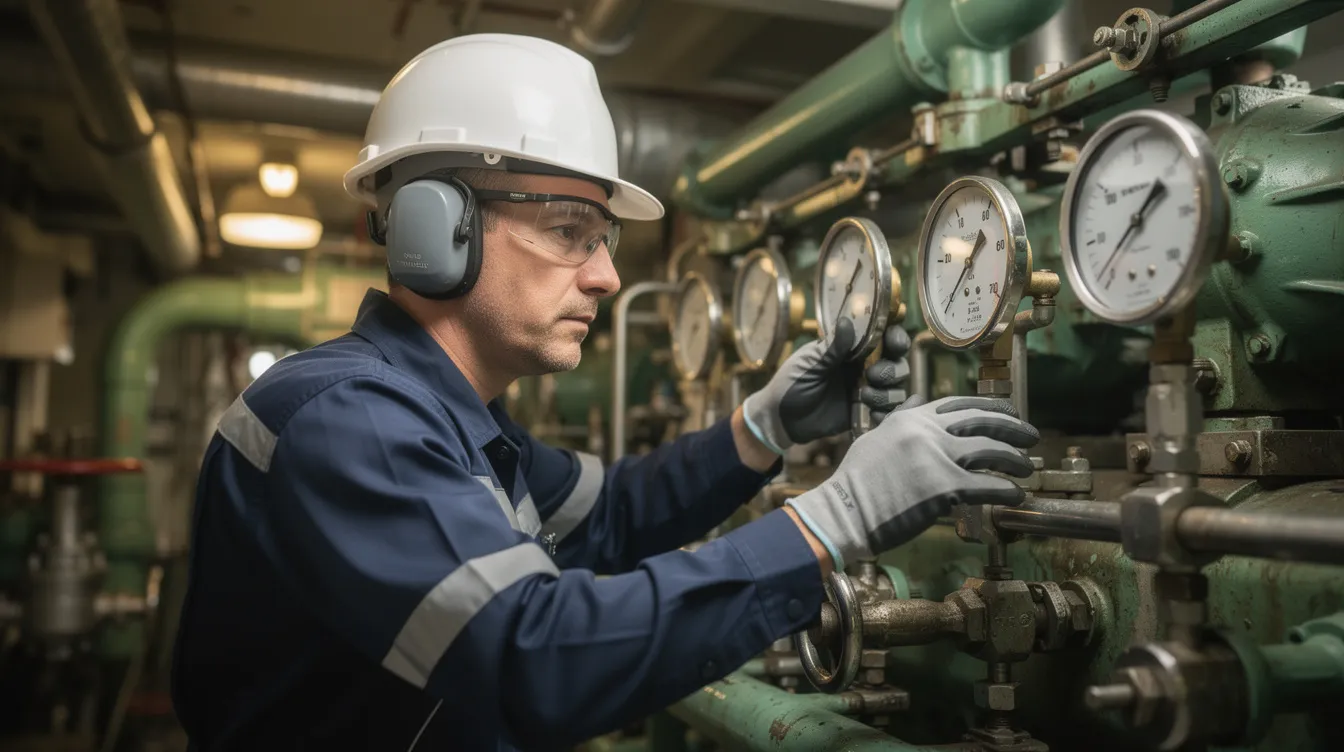
Emergency procedures must be clearly defined and rehearsed in the ship’s safety management system. Regular drills focused on loss of propulsion, blackout, and steering failure ensure bridge–engine room coordination and clear decision-making protocols. Crew should wear appropriate personal protective equipment during machinery emergencies.
An open reporting culture-where crew can log near-misses and technical anomalies without fear of blame-helps shore teams address systemic issues before they result in accidents.
Steering Systems and Loss of Propulsion: High-Risk Scenarios
Steering systems and propulsion are considered mission-critical by class societies and flag states, receiving dedicated attention during surveys, inspections, and PSC examinations.
Modern cargo vessels typically use electro-hydraulic steering gear with two independent power units, ram-type actuators, follow-up control from the bridge, and local control in the steering gear room. Common steering-related failure modes include:
- Hydraulic oil leaks (hose failures, seal degradation)
- Failure of one or both pumps
- Air entrapped in the hydraulic system
- Control system faults (solenoid, sensor, or wiring defects)
- Failure to test emergency steering before departure
Hydraulic oil leaks can disrupt operations and cause pollution, while prompt repair of leaks prevents mechanical failure and environmental damage. Regular inspections help detect leaks before they cause major issues.
Loss of propulsion incidents often begin with small, ignored problems-clogged fuel filters, low lube oil pressure, high exhaust temperature-that escalate until automatic shutdown or manual stop is required.
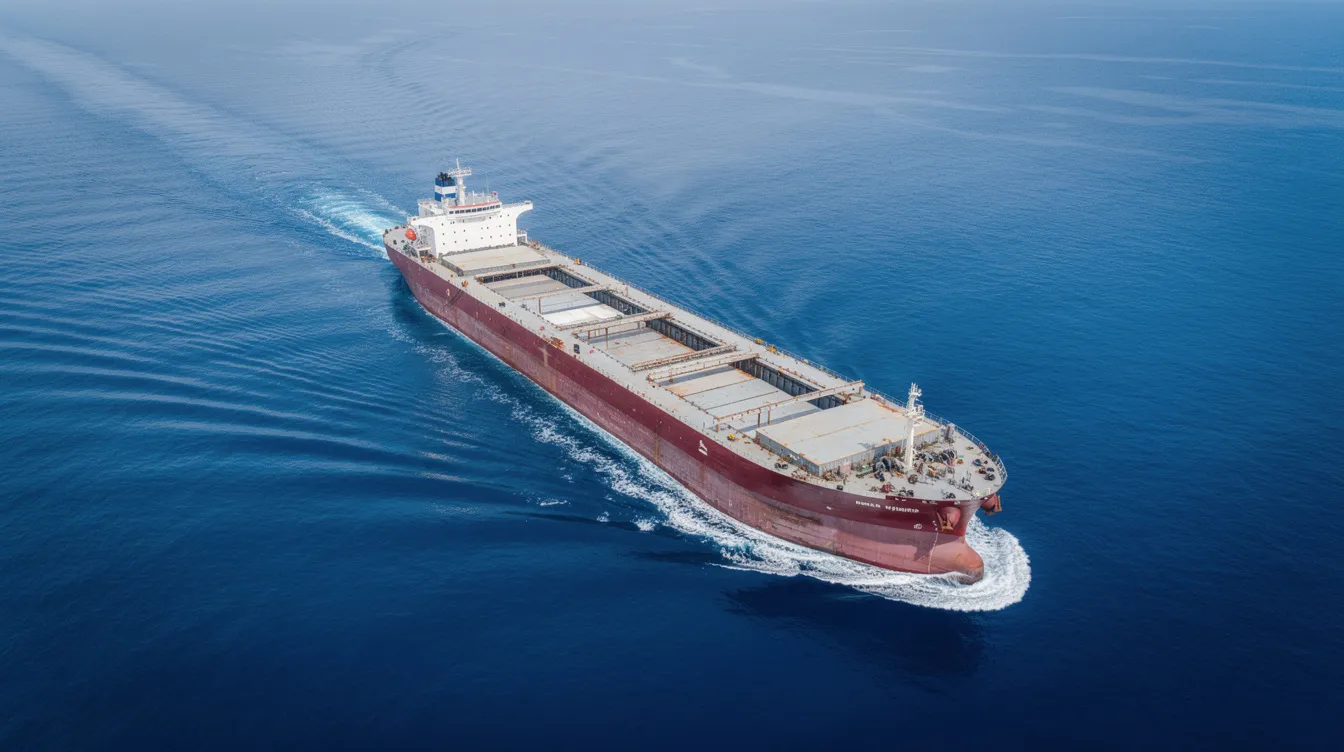
Consider a realistic scenario: a bulk carrier crossing a congested traffic lane in the South China Sea experiences poor fuel separator performance due to contaminated VLSFO. Injectors clog, the engine misfires, RPM drops, and propulsion is lost near a busy lane. The vessel attempts emergency anchoring while VTS intervenes. Such cascading failures are well documented in fuel contamination incidents.
Nautilus Shipping’s technical management sets strict routines for pre-departure tests of steering, main engine remote control, and emergency systems, including clear checklists and sign-offs aligned with manufacturer recommendations.
Geopolitical Risks, Trade Routes, and Machinery Readiness
From 2022 to 2026, geopolitical risks have intensified across several maritime regions, raising the stakes of any machinery failure during transit.
Tensions and naval activity in the South China Sea, Red Sea, and Black Sea make unplanned stops or drifting particularly dangerous and politically sensitive. Vessels rerouted due to sanctions, blockades, or regional conflicts may steam longer distances at higher continuous ratings, placing extra load on engines and auxiliaries and accelerating wear on components that were already approaching service limits.
Port access restrictions, crew-change difficulties, and spare-parts delays linked to geopolitical risks complicate ship maintenance planning. Ship parts procurement becomes more challenging when supply chains are disrupted.
Nautilus Shipping’s voyage and commercial management teams work with owners to align routing, speed management, and maintenance scheduling to ensure machinery readiness on critical legs. Insurers and charterers increasingly scrutinize machinery reliability and PMS compliance when approving vessels for high-risk trade routes-a dynamic explored further in war risk insurance considerations for 2026.
Nautilus Shipping’s Approach to Preventing Machinery Failure
Nautilus Shipping operates as a full-scope ship management partner focused on safety, performance, and sustainability across bulk carriers, tankers, container ships, general cargo ships, and specialized vessels.
The company’s technical management teams implement standardized PMS templates, OEM-aligned checklists, and remote monitoring to ensure consistent ship maintenance across the managed fleet. Detailed vessel inspections and condition surveys-including pre-purchase inspections and routine onboard audits-identify early signs of machinery deterioration and trigger corrective action plans. Inspections are essential for maintaining performance and ensuring safety across every vessel type.
Nautilus Shipping’s crew management ensures competent, well-rested crew members with type-specific training, including engine-room resource management and emergency response protocols. Data analytics and fleet performance tools track trends such as increasing fuel consumption, abnormal vibration, or repeated alarms, triggering deeper technical reviews.
Effective maintenance extends a vessel’s lifespan and reduces costly breakdowns. Optimizing machinery for efficient operation also reduces fuel consumption, emissions, and the likelihood of environmentally damaging failures such as lube oil leaks or fuel spills-supporting both efficiency and sustainability goals.
Best Practices for Owners to Reduce Machinery Failure Risk
Here is a practical checklist for shipowners and operators looking to strengthen their machinery reliability:
- Align maintenance policies with class and OEM guidance. Avoid ad-hoc changes driven solely by short-term cost savings. Preventive strategies include rigorous preventive maintenance routines built on manufacturer recommendations.
- Review PMS overdue tasks regularly. Focus on critical systems-main engine, generators, steering systems, fuel treatment, fire pumps-and clear backlogs before high-risk voyages.
- Invest in condition-based monitoring. Lube oil analysis, cylinder pressure monitoring, shaft power meters, and real-time alarm trending dashboards all contribute to early detection of developing faults.
- Conduct periodic independent vessel inspections. Whether in-house or via partners like Nautilus Shipping, independent audits validate onboard maintenance quality. Routine inspections help identify issues before they cause major problems at sea and prevent equipment failures and operational disruptions.
- Maintain close communication between shore and ship. Regular video calls, remote troubleshooting, and joint root-cause analysis after any incident or near-miss strengthen the feedback loop. Controlling vessel operating costs starts with this kind of disciplined coordination.
FAQ
What are the most common machinery failures experienced by cargo ships today?
Common failures include main engine fuel pump seizures, turbocharger issues, generator breakdowns, boiler and economizer leaks, steering gear faults, and automation or control system malfunctions. Blackouts and loss of propulsion are particularly critical because they can escalate into navigational incidents in congested waters. Robust preventive maintenance and condition monitoring markedly reduce the frequency of these events across all vessel types, from container ships to general cargo ships.
How does a Planned Maintenance System actually prevent machinery failure?
A PMS schedules and tracks maintenance tasks based on running hours, calendar dates, and component condition, ensuring critical overhauls and inspections are not missed. Each task links to technical manuals, spare-parts lists, and past work history, giving engineers the right data when performing maintenance. PSC authorities, class surveyors, and insurers scrutinize PMS records closely when investigating machinery-related detentions or claims, making it both a reliability tool and a compliance requirement.
What should a crew do immediately after a machinery failure at sea?
The immediate sequence should be: ensure safety of all crew, stabilize the situation (stop the engine if necessary, switch to emergency power, deploy the anchor if appropriate), inform the bridge and shore-based management, and begin structured troubleshooting. Following the vessel’s Safety Management System procedures-including checklists for blackout, loss of propulsion, or steering failure-is essential. Preserving evidence and logging key parameters and actions supports later root-cause analysis.
Why should a shipowner use an external ship management company like Nautilus Shipping?
External ship management provides access to specialized technical expertise, standardized PMS and inspection processes, stronger bargaining power with OEMs and service providers, and integrated crew management-all without building large in-house teams. For many operators in the industry, outsourcing day-to-day ship and crew management helps control risk, ensure compliance, and improve fleet efficiency. Nautilus Shipping combines safety, regulatory compliance, performance optimization, and sustainability in its machinery and maintenance strategies to deliver measurable results last year and beyond.