
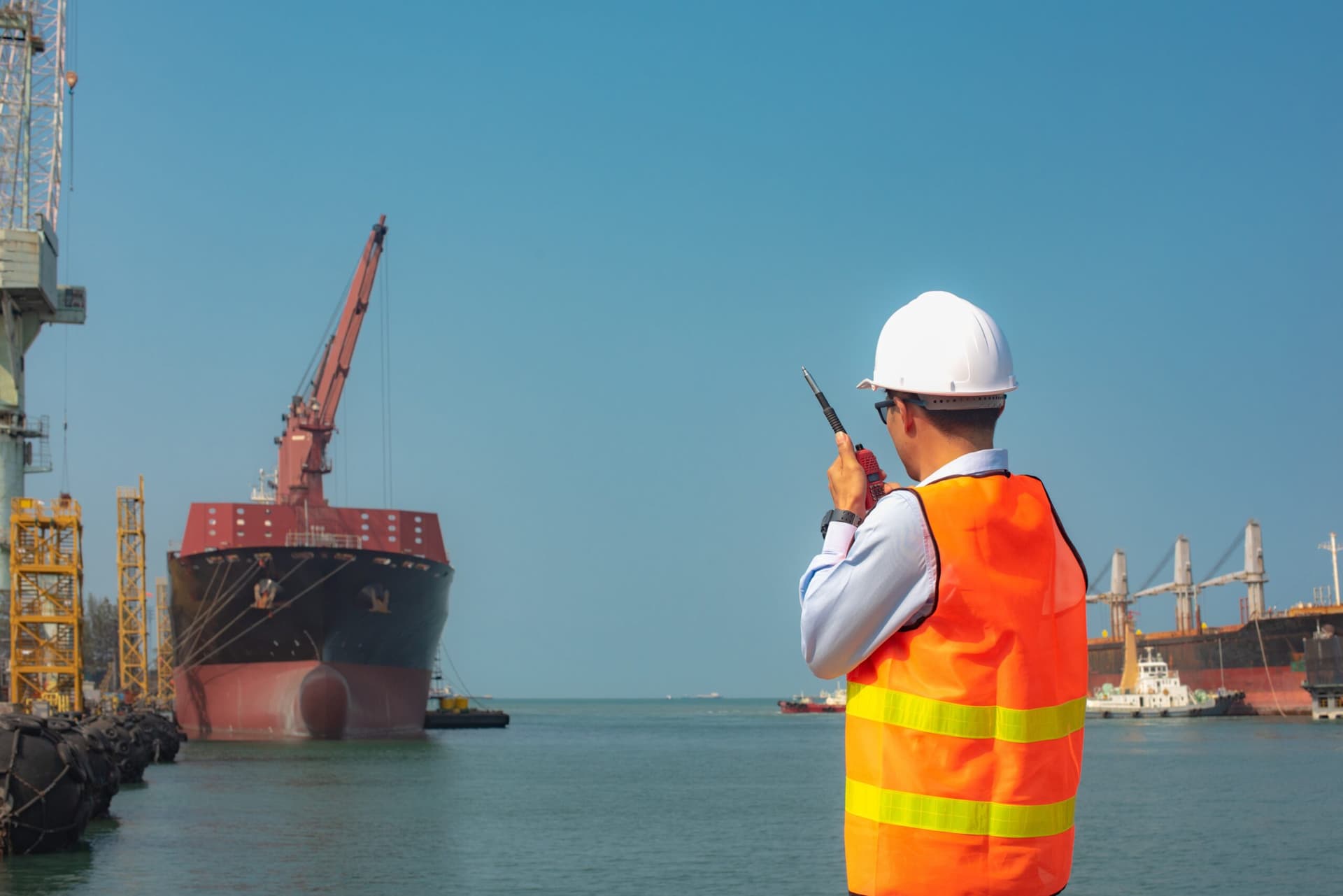
Port State Control (PSC) inspections have become an integral part of the maritime industry. For both shipowners and crew, these inspections represent a mix of scrutiny, accountability, and continuous improvement. They are important for ensuring safety and compliance for all vessels and bulk carriers in the maritime trade. But as requirements evolve and inspection regimes get stricter, passing PSC inspections demands preparation, precision, and full alignment with safety and compliance protocols. In this blog, we take a look at what these inspections mean, why they matter, what they typically uncover, and how modern ships and crews can navigate them successfully.
What Are PSC Inspections?
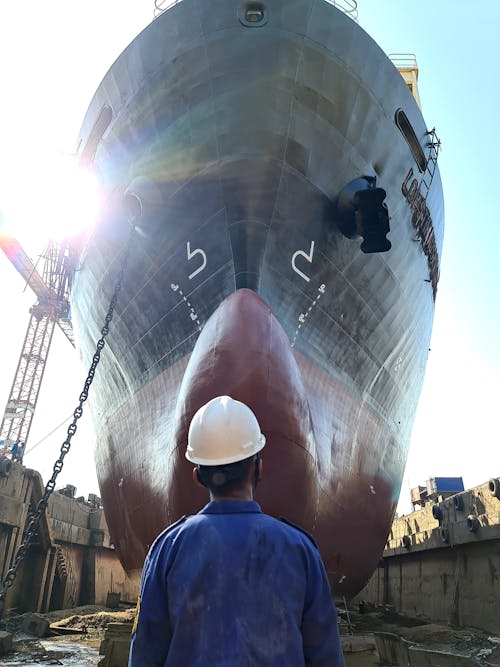
PSC inspections are regulatory checks conducted by maritime authorities of a port country on foreign vessels visiting their ports. These inspections aim to ensure compliance with international regulations regarding ship safety, fire protection, pollution prevention, and crew working conditions.
They are conducted under various regional agreements such as the Paris MoU, Tokyo MoU, or Indian Ocean MoU. Ships found with significant problems may be detained until corrective measures are implemented, affecting schedule, profitability, and reputation.
Why Are They Important?
PSC inspections serve as a frontline measure against unsafe practices in global shipping. By checking compliance with international conventions like SOLAS, MARPOL, STCW, and MLC, including fire and safety systems, they:
-
Protect crew lives and maritime environments
-
Prevent marine pollution
-
Maintain vessel seaworthiness
-
Deter substandard shipping practices
They are also critical to maintaining a ship’s “white list” status by ensuring fire protection, including addressing valves fire suppression deficiencies, reducing the frequency of checks, building trust with charterers, and ensuring smoother port calls.
What Do They Cover?

-
Structural Integrity and Equipment
The physical condition of the hull, watertight doors, deck fittings, and load line marks are visually inspected to ensure seaworthiness and compliance with maritime regulations. -
Certification and Licensing
Ships must carry valid and updated certificates, such as the International Ship Security Certificate (ISSC), Safety Construction Certificate, and Class certificates. -
Pollution Control Systems
Equipment like oily water separators, sludge tanks, and SOx scrubbers are inspected to prevent marine pollution, in line with MARPOL regulations. -
Life-Saving Appliances
Lifeboats, life rafts, EPIRBs, SARTs, and fire-fighting suits are checked for accessibility, maintenance, and proper operation. -
Navigation Equipment
The status and functioning of equipment like radar, AIS, ECDIS, magnetic compass, and voyage data recorder (VDR) are evaluated. -
Crew Qualifications and Welfare
PSC inspectors verify that all crew hold valid licenses, are medically fit, and are aware of their duties during emergencies. Welfare aspects like adequate food, water, and accommodation conditions are also assessed. -
Drills and Emergency Procedures
Inspectors may ask the crew to demonstrate abandon ship or fire drills to assess their response time, coordination, and familiarity with emergency protocols.
Areas of Checking
1. Certification and Documentation
Inspectors verify all mandatory documentation, such as:
-
Safe Manning Document
-
International Oil Pollution Prevention Certificate
-
ISM Code documentation
-
Crew competency and medical certificates
Any inconsistencies, expired licenses, or incorrect entries can result in deficiencies.
2. Drill Inspections
Routine drills, especially fire drills and abandon ship drills, are closely observed. Key evaluation points include:
-
Crew familiarity with roles
-
Proper operation of fire dampers and fire sprinkler systems
-
Sound signals and alarm system functionality
-
Use of fire safety systems and emergency equipment
-
Coordination and timing
Poorly conducted drills or a lack of coordination are common deficiencies.
3. Fire Safety Systems
Fire and safety are key priorities. Inspections often include:
-
Fire alarms and responders initiating devices
-
Fire sprinkler systems and suppression systems
-
Proper operation of fire dampers and extinguishers
-
Visual checks for code gauges, corrosion, FDC caps broken, and leaking liquid level indicators
-
Ensuring completed tank weight and liquid levels are accurate
-
Inspecting for valve fire suppression deficiencies or head internal blockage
-
To ensure life safety, company ensures all components are regularly maintained
PSC challenges often arise when these systems are not inspected annually or visually inspected monthly.
Strict Guidelines and Zero Tolerance
PSC inspections operate under strict international maritime regulations. Some guidelines can also look at :
-
Missing lifebuoys
-
Dead or low batteries in fire alarms
-
Not inspected cylinders or wrong direction, lack of signage
-
Corrosion, damaged units, or clogged nozzles in the engine room
-
A faulty voyage data recorder or navigation equipment
Even minor oversights, such as warning signals, can lead to huge problems, resulting in a detention or warning, especially if they fail to alert local first responders. Regular inspections are expected to detect fires, alert local authority responders, and ensure the power output of systems is within limits.
Case Examples of Checks
-
Code Gauges Broken in Emergency Systems: Ships have been detained for malfunctioning code gauges or broken emergency indicators, even if fire protection systems were functional.
-
Liquid Level Indicators & Fire Alarm Deficiencies: Ships have failed inspections due to leaking liquid level indicators and improper calibration of the fire alarm system, indicating an improper type or incomplete inspection cycle.
Image Source: Kinetixfire

Challenges in Preparing for PSC
Preparation is time-consuming and resource-intensive. Some recurring PSC challenges include:
-
Keeping all systems operationally excellent at all times
-
Crew members are not being fully briefed or trained
-
Inconsistent inspection cycle adherence
-
Documentation is not updated regularly
-
Built-in components that easily malfunction due to salt or age
Common Deficiencies Noted in PSC Inspections
PSC reports and maritime authorities cite these as the most common deficiencies:
-
Fire safety equipment issues (fire safety people not trained, improper type)
-
Deficiencies relate to navigation equipment or voyage data recorders
-
Engine room clutter or easily malfunction-prone components
-
Lost pressure in inspected cylinders or failure in completed tank weight reporting
-
Alarm system delays or failure to initiate steps quickly
-
Lack of crew familiarity or operational discipline
-
Inadequate training and drills
What Happens If a Ship Fails?
Consequences related to PSC violations can range from fines to outright detentions. Typical actions include:
-
Detainment at the port until deficiencies are rectified
-
Notification of the flag state
-
Reputation loss and chartering difficulty
-
Additional inspections in the own inspection cycle
-
Listing on PSC Black Lists or warning watch
Top 10 Ports with the Strictest PSC Inspections
Based on detention rates and inspection strictness, here are the ports known for the most stringent PSC regimes:
-
Rotterdam, Netherlands (Paris MoU)
-
Singapore (Tokyo MoU)
-
Shanghai, China
-
Hamburg, Germany
-
Antwerp, Belgium
-
Port of Long Beach, USA (USCG)
-
Yokohama, Japan
-
Busan, South Korea
-
Sydney, Australia
-
Dubai, UAE
These ports enforce acceptable standards rigorously and penalise any deviation, from missing documentation to broken suppression systems.
PSC Inspections Today: What to Expect
Modern PSC inspections are increasingly tech-integrated and data-driven. Digital audit trails, AI-based inspection targeting, and real-time alerts are shaping how authorities inspect vessels.
-
Focus is shifting toward fire protection, marine pollution, and energy efficiency
-
Ships are expected to maintain proper operation across many components at all times
-
New trends like electronic documentation, IMO 2020 compliance, and energy efficiency indicators are now part of routine checks
What the Future Holds
Going forward, ship inspections will likely see:
-
Greater emphasis on fire safety systems, especially fire alarm deficiencies
-
Stricter load line mark verifications
-
More attention to safe manning document adherence
-
Increase in automated inspection tools and onboard sensors
-
Predictive PSC inspections based on ship history and class
Conclusion
Challenging PSC inspections isn’t just about passing checks; it’s about maintaining a culture of operational excellence. From life safety vendor compliance to proper training and documentation, everything counts. The most common deficiencies often come down to poor preparation, an undertrained crew, or oversight in safety systems. For ships aiming to perform consistently across regions, a robust safety and compliance system is not optional; it’s your license to trade.
FAQs
Q1: How often do PSC inspections happen?
It depends on the vessel’s risk profile, age, flag, and history. High-risk vessels are inspected more frequently, especially if the crew members are not adequately trained.
Q2: What is the most common reason for detention?
Fire safety system failures, documentation issues, and crew drills often top the list.
Q3: Can a ship refuse a PSC inspection?
No. Refusal can result in automatic detention and may be escalated to the flag state.
Q4: Are drills mandatory during inspection?
Yes. Inspectors often require immediate demonstration of fire or abandon-ship drills.
Q5: How can a ship reduce its inspection frequency?
Maintain a clean PSC record, comply with regulations, and sail under a reputable flag while adhering to your own inspection cycle.