
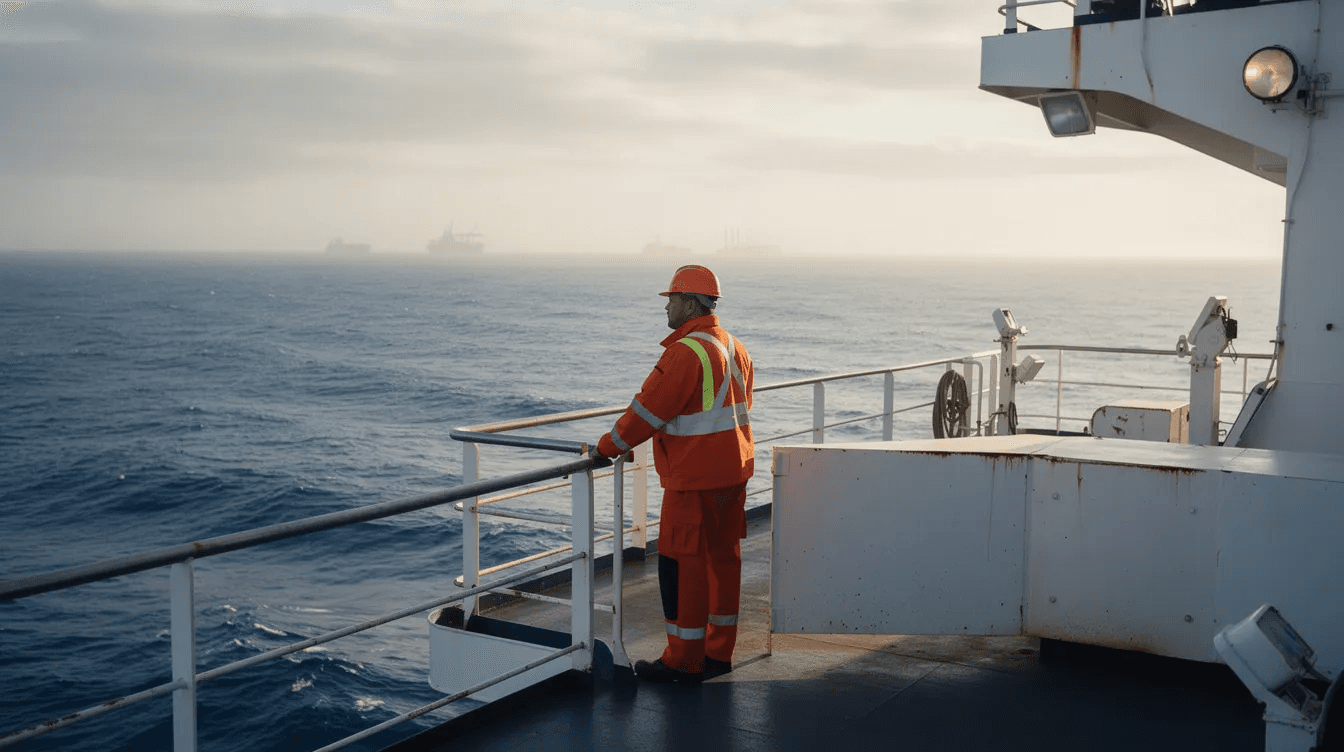
Life at sea comes with unique rewards, but it also presents challenges that can take a toll on a seafarer’s wellbeing. Long voyages, long hours, changing time zones, demanding workloads, and extended periods away from family can gradually affect both physical health and mental health. While occasional tiredness is expected, ongoing exhaustion and emotional strain may point to something more serious: burnout.
Recognizing burnout at sea and when to seek help is essential not only for personal wellbeing but also for safe vessel operations. Left unaddressed, burnout can affect decision-making, concentration, teamwork, and ultimately the safety of everyone on board.
Understanding Burnout and Mental Health
Seafarer fatigue shows up in more than simply feeling tired after a busy day. It develops over time as a result of prolonged stress, high job demands, long working hours culture, and insufficient rest. It is characterized by physical, emotional, and mental exhaustion that makes it difficult to stay motivated or perform everyday tasks effectively.
Many seafarers experience long hours working in a marine environment; extended periods at sea, irregular shifts, limited shore leave, and reduced social interaction can increase emotional strain. Unlike ordinary fatigue, burnout may persist even after rest and can begin to affect a person’s attitude towards work and daily life.
It is also important to understand that burnout is different from depression. While the two may share certain symptoms, burnout is generally linked to chronic workplace stress, whereas depression is a medical condition that can affect every aspect of life. Persistent feelings of sadness, hopelessness, or loss of interest should always be discussed with a qualified healthcare professional.
Common Signs of Burnout at Sea
Burnout rarely appears overnight. Recognizing the early warning signs allows seafarers to combat fatigue before the condition becomes more severe.
Some of the early danger signs of burnout include:
-
Constant fatigue, even after adequate rest
-
Irritability or emotional detachment from colleagues
-
Difficulty concentrating or remembering routine tasks
-
Reduced motivation and job satisfaction
-
Increased mistakes or slower decision-making
-
Changes in sleep patterns
-
Frequent headaches or other physical complaints
-
Feeling overwhelmed by responsibilities
These symptoms can have a direct impact on occupational safety. Burnout can affect both personal safety and vessel safety.
Research has shown that seafarer fatigue contributes to reduced alertness, impaired performance, and a higher likelihood of human error. Burnout is recognised as a contributing factor in many marine casualties and safety incidents.
Why Burnout Matters in the Maritime Industry
The maritime industry depends on alert, healthy, and engaged crew members to maintain safe operations. Burnout not only affects an individual’s wellbeing but can also influence teamwork, communication, and operational efficiency onboard.
Burnout itself is not classified as one of the mental health conditions, but prolonged burnout may increase the risk of developing anxiety or depression.
High levels of workload, changing work schedules, demanding watchkeeping routines, and limited opportunities for recovery all lead to high stress levels. When these pressures continue over long periods without sufficient recovery, both physical and mental wellbeing may decline. Protecting mental wellbeing is just as important as maintaining physical fitness.
International regulations recognize these risks. The Maritime Labour Convention (MLC), 2006 and the STCW Convention include minimum hours of rest requirements to help reduce fatigue and support safe operations. However, adequate rest periods alone may not prevent burnout if prolonged stress and emotional strain remain unaddressed.
Managing Stress and Preventing Burnout
Although maritime work can be demanding, there are practical ways to reduce stress, increase mental well being, and lower the risk of burnout. Seafarers and shipping companies can implement strategies that reduce stress and support long-term wellbeing.
Helpful strategies include:
-
Prioritising quality sleep whenever possible
-
Making the most of scheduled rest periods
-
Staying physically active during free time
-
Maintaining regular contact with family and friends
-
Taking advantage of available shore leave
-
Eating balanced meals and staying hydrated
-
Limiting alcohol consumption and avoiding excessive smoking
-
Talking openly with trusted colleagues or supervisors
Small daily habits often make a significant difference. Looking after both physical and mental health helps improve resilience during long contracts and supports better performance on board. Identifying the root cause of prolonged stress is an important step towards recovery.
Mental Health Support: Knowing When to Seek Support
Every seafarer experiences difficult days, but burnout should never be ignored. Seeking help early often prevents symptoms from becoming more severe and supports faster recovery.
Consider seeking professional or company-supported assistance if you:
-
Feel emotionally exhausted most days
-
Struggle to concentrate or complete routine tasks
-
Notice persistent anxiety or overwhelming stress
-
Feel detached from work, colleagues, or daily activities
-
Continue experiencing symptoms despite adequate rest
Many shipping companies now provide confidential mental health support, employee assistance programmes, telemedical services, or access to counselling. Under the Maritime Labour Convention, shipowners are also responsible for supporting seafarers’ welfare and providing suitable living and working conditions.
Reaching out is not a sign of weakness. It is a responsible step that protects both individual wellbeing and onboard safety. Many companies also provide an assistance network that includes welfare officers, confidential helplines, telemedical services, and counselling.
Conclusion
Burnout develops gradually, making it easy to overlook until it begins affecting performance, relationships, and overall health. By recognizing burnout at sea and when to seek help, seafarers can take positive steps before prolonged stress becomes a more serious problem.
Looking after mental health is just as important as maintaining physical fitness. Getting enough rest, managing stress, staying connected with others, and seeking support when needed all contribute to safer ships, healthier crews, and a stronger maritime industry.
FAQs
1. What are the common signs of burnout at sea?
Common signs include persistent fatigue, irritability, emotional detachment, difficulty concentrating, poor sleep, reduced motivation, and more mistakes during daily work.
2. How is burnout different from seafarer fatigue?
Seafarer fatigue is mainly caused by insufficient rest and long working hours, while burnout develops over time due to prolonged stress and affects motivation, emotional wellbeing, and job performance.
3. When should a seafarer seek mental health support?
A seafarer should seek support if symptoms such as exhaustion, anxiety, poor concentration, or emotional detachment continue despite adequate rest or begin affecting work and daily life.
4. How can seafarers reduce stress on board?
Managing stress involves maintaining healthy sleep habits, using rest periods effectively, staying active, keeping in touch with loved ones, and talking openly with trusted colleagues when challenges arise.
5. Why is recognizing burnout important in the maritime industry?
Recognizing burnout helps protect mental health, supports safer decision-making, reduces the risk of fatigue-related errors, and contributes to safer operations for everyone on board.