
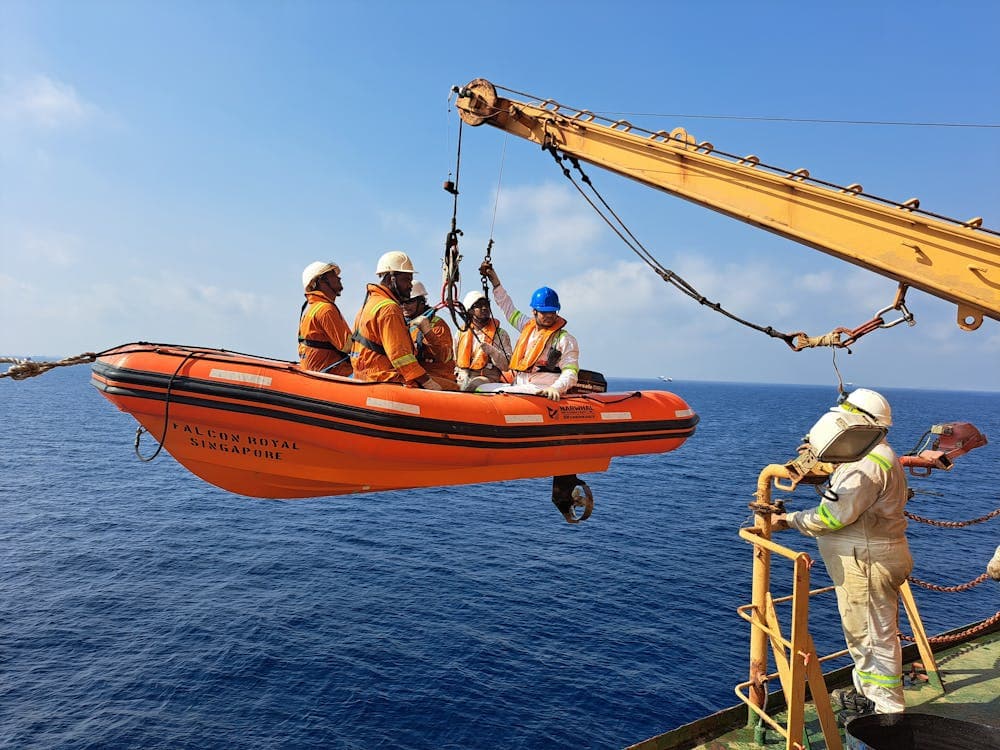
Key Takeaways
- Post-2019 sanctions on Iran, Russia, and Venezuela have driven a record increase in seafarers abandoned on sanctioned tankers and bulkers, often at anchorages in the Gulf of Oman and UAE offshore zones. In 2024 alone, 3,133 seafarers across 312 vessels were reported abandoned.
- Crews retain core human rights under the Maritime Labour Convention (MLC, 2006), UN human rights instruments, and flag state law. Sanctions do not eliminate the legal rights of seafarers.
- Shipowners, operators, charterers, and flag states carry clear legal obligations for wages, food, fuel, medical care, insurance, and repatriation. Failure can trigger liability, vessel detention, and blacklisting.
- Nautilus Shipping’s position: proactive crew welfare systems, sanctions compliance at every stage of vessel management, and close engagement with unions and the International Transport Workers Federation (ITF) are the baseline for preventing abandonment.
1. Introduction: Sanctions, Stranded Seafarers and Why This Matters in 2026
Since 2019, escalating sanctions on Iran, Russia, and Venezuela have reshaped the commercial shipping landscape. One of the least visible but most damaging consequences is the growing number of seafarers stranded on sanctioned vessels with no pay, dwindling supplies, and no clear path home. These people are not sanctions targets. They are workers caught in a web of geopolitical pressure, corporate negligence, and regulatory gaps.
The settings are grim. Tankers idle off Fujairah and in the Gulf of Oman anchorage. Bulkers sit frozen off Greek, Turkish, or Indian waters. Crews go months without wages, fuel, or fresh water. Sanctions can create severe humanitarian crises for merchant mariners, and seafarers can be stranded in international waters without help when owners vanish or accounts are frozen.
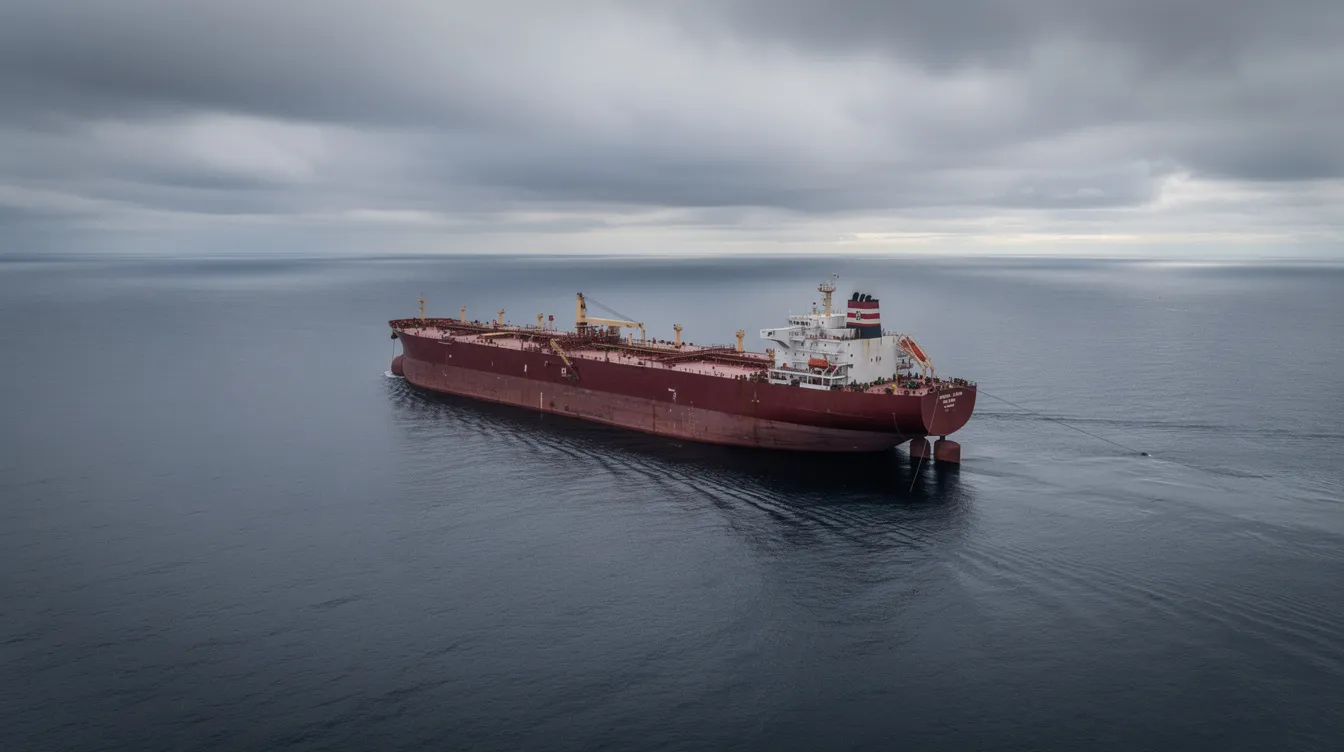
The numbers confirm the trend. In 2024, 3,133 seafarers on 312 vessels were reported abandoned, an 87% increase over 2023’s 1,676 seafarers across 132 vessels, according to ITF data. Seafarers frequently find themselves stranded on vessels during crises, and abandonment cases are rising year over year. Here is what is driving this:
- Beneficial owners deregister vessels to avoid scrutiny, leaving gaps in flag state oversight and making it harder for seafarers to enforce their rights.
- Shell companies obscure true ownership, so when sanctions hit, nobody takes responsibility for the crew.
- Banks refuse to process wage payments even when general licences permit them, out of fear of compliance exposure.
- Port authorities in some jurisdictions deny fuel, provisions, or bunkering to ships linked to sanctioned entities, leaving crews without basic necessities.
As a ship management and crew management provider, Nautilus Shipping’s priority is to keep our managed crews out of sanction-risk scenarios through rigorous due diligence and compliance. The rest of this article lays out the legal framework, the real-world risks, and the practical steps that shipowners and managers can take to protect the people who keep global trade moving.
Human rights do not stop at the shoreline. Sanctions target trades and entities; they do not strip seafarers of their right to wages, food, medical care, or passage home.
2. Legal and Human Rights Framework Protecting Stranded Seafarers
Even when a vessel is linked to sanctioned trade, seafarers are not the target of sanctions. They retain full labour and human rights protections under multiple overlapping legal instruments. Understanding these protections is not optional for shipowners; it is the foundation of lawful vessel operations.
Human rights at sea
The Universal Declaration of Human Rights and the International Covenant on Civil and Political Rights guarantee rights that apply regardless of where a person works, including at sea. These include the right to life, freedom from inhuman or degrading treatment, access to medical care, and the right to return to one’s country. International maritime laws ensure seafarers’ rights during crises, and courts and tribunals have increasingly interpreted failure to pay wages or denial of medical care aboard abandoned ships as breaches of human rights obligations.
Seafarers are entitled to shore leave under MLC 2006. Systematic denial of shore leave violates international law and has documented consequences: seafarers denied shore leave report increased stress and fatigue. New ILO-IMO guidelines address the unfair treatment of seafarers, framing crew welfare as a human rights issue rather than just a labour dispute.
Maritime Labour Convention (MLC, 2006)
The Maritime Labour Convention is the central instrument. As amended in 2014 and through 2022 provisions entering force in December 2024, it sets minimum standards across several areas:
- Wages: Seafarers on abandoned vessels often go unpaid for months. The MLC defines abandonment as occurring when an owner fails to pay wages for two or more months.
- Maximum service periods: Normally 11 to 12 months, after which seafarers are entitled to repatriation. Under the Maritime Labour Convention, seafarers have the right to repatriation at the shipowner’s expense.
- Basic needs: Seafarers have a right to basic needs including food, water, and medical care under the MLC.
- Financial security: The 2014 amendments require flag states to ensure vessels maintain financial security (insurance, state fund, or equivalent) covering abandonment and repatriation costs. (Source: ILO)
- Passport retention: Crew members retain ownership of their passports and identity papers. No employer or manager may confiscate them.
- Right to refuse dangerous work: Seafarers have the right to refuse dangerous work without facing consequences.
Seafarers retain rights under the Maritime Labour Convention even when companies face sanctions. The flag state has primary responsibility for repatriation in abandonment situations.
Flag state and port state roles
Flag states must ensure financial security certificates are valid, investigate abandonment reports, and coordinate with port state and consular authorities. When a vessel is deregistered because of sanctions exposure, the ship may become effectively stateless, and the former flag state’s obligations do not simply vanish. Port states, for their part, inspect vessels for compliance, may detain ships, and can report cases to the IMO/ILO joint abandonment database, which has tracked 849 incidents involving 11,968 seafarers since 2004.
Sanctions exemptions for crew welfare
Sanctions authorities such as OFAC in the US, EU Council sanctions committees, and UK OFSI commonly issue general licences or specific authorisations to allow payment of crew wages, repatriation costs, and essential supplies, even when owners are on sanctions lists. The problem lies in implementation: banks and service providers sometimes refuse to honour these licences due to internal risk policies, leaving crews without the payments they are legally owed.
The role of unions and the ITF
The International Transport Workers Federation and national seafarers’ unions have legal standing to lodge abandonment cases with the ILO/IMO joint database, conduct onboard inspections, and pursue claims in courts. The ITF maintains a network of inspectors in ports worldwide who can intervene when welfare conditions deteriorate, push for vessel detentions, and coordinate with insurers or financial security providers.
| Obligation | Flag State | Port State | Shipowner/Manager |
|---|---|---|---|
| Financial security certificate | Must ensure validity | Inspects on arrival | Must obtain and maintain |
| Wage payment | Enforces domestic law | Can order detention | Directly liable |
| Repatriation | Primary responsibility | Assists if flag state fails | Bears cost |
| Medical care | Sets standards | Inspects compliance | Provides onboard |
| Abandonment reporting | Must investigate | Reports to IMO/ILO | Must prevent |
| Sanctions compliance | Monitors registry | Enforces in port | Screens trades |
3. How Sanctions Create Stranded Crews: Risks, Actors, and Typical Scenarios
Consider a typical case. A medium-sized tanker previously carrying refined products gets blacklisted after its beneficial owner is linked to sanctions evasion. The registry de-flags the vessel within weeks. The ship, now without a recognized flag, anchors at a remote offshore zone. The crew has been aboard for seven months. Their contracts expired two months ago. No one answers the company phone number. Wages stopped four months back. Sanctions can freeze corporate bank accounts and disrupt payment systems, affecting crew wages, and sanctions can block essential services needed for stranded crews.
This is not a hypothetical scenario. It plays out repeatedly across the maritime industry.
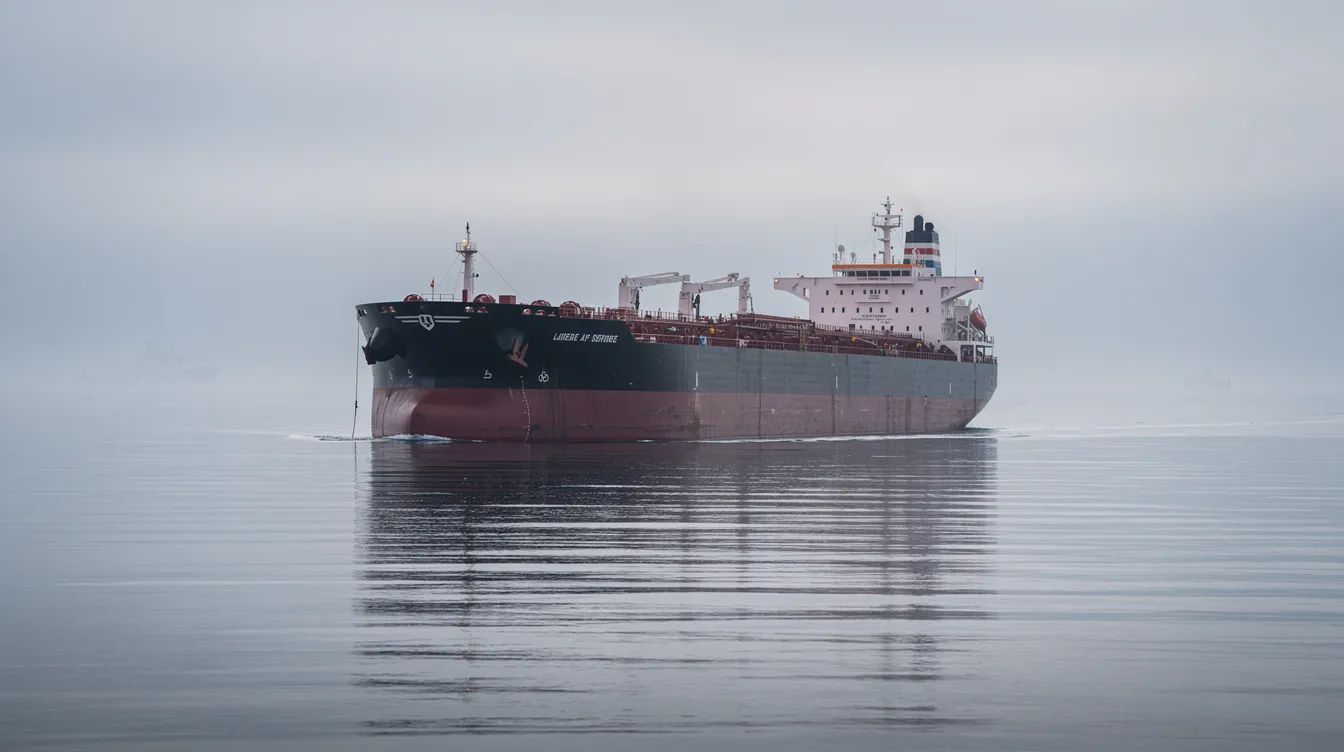
Who triggers the sanctions risk?
Commercial decisions made by beneficial owners, operators, or charterers create sanctions exposure. Seafarers have no part in these choices. The activities that draw sanctions attention include covert ship-to-ship transfers, AIS dark activity (turning off tracking transponders), falsified bills of lading, and oil origin fraud. Vessels linked to sanctioned trades often operate without valid Protection and Indemnity insurance, which leaves crew without coverage for medical emergencies, injuries, or repatriation.
The chain of responsibility
The chain includes beneficial owners, technical managers, commercial managers, bareboat charterers, and crew agencies. Each has a role:
- Beneficial owners bear ultimate liability for wages, insurance, and repatriation.
- Technical managers must maintain vessel safety and crew welfare standards.
- Commercial managers choose the trades and cargoes.
- Crew agencies recruit and deploy seafarers and must ensure valid employment contracts.
When sanctions hit, companies at the top of this chain often dissolve, relocate, or stop communicating. The people at the bottom of the chain, the seafarers, absorb the consequences. Seafarers on sanctioned vessels often lack basic support. Crews may face shortages of food, water, and medical care due to sanctions.
Patterns since 2020
The International Transport Workers Federation(ITWF) and other maritime bodies have documented increasing use of opaque shell companies, reflagging from reputable registries to open registries with weak oversight, and non-payment of wages on sanctioned tankers and abandoned vessels. AP reporting shows Panama accounts for approximately 20% of all abandoned ships since 2019. Tanzania, Palau, and Togo each account for about 5%. (Source: AP News)
Regional breakdowns from 2025 data tell a clear story: the Arab World and Iran recorded 95 abandonment cases, Europe 86, Türkiye 43, and the UAE 32 out of 259 vessels tracked.
Case examples
Global Peace (UAE anchorage, 2025): Nineteen seafarers from India, Bangladesh, and Ukraine were abandoned aboard a sanctioned ship anchored near Oman. Out of fuel, they cooked food by burning wood. Employment contracts had expired more than five months prior. The vessel reportedly had no insurance, and employment contracts cited a bogus collective bargaining agreement. (Source: ITF Global)
MV Jinan (Mombasa, Kenya, 2019 to 2021): Eighteen crew members spent 21 months trapped at port after owners abandoned the ship. The vessel was eventually sold for scrap, and USD 242,872 from sale proceeds was paid to crew for wages owed between November 2019 and August 2020.
Lady Mina (Las Palmas, 2026): Six seafarers on a Turkish-owned vessel were abandoned with wages totalling approximately USD 68,000 unpaid. The chief engineer had gone six months without pay. Employment contracts had been exceeded by more than 13 months, well past the MLC maximum service period. The vessel sailed with what appears to have been a fraudulent financial security certificate.
Crew-level impacts
The damage goes beyond unpaid wages. Seafarers are often treated as political pawns in legal situations. Since 2023, 33 cases of seafarer criminalization have been reported. Seafarer Mithun Deshpande was detained for 49 months in Iran. In separate incidents, seafarers face criminal charges despite exoneration in Croatia.
Sanctions complicate the repatriation process for seafarers and financial transactions for abandoned seafarers. Crews experience psychological stress, inability to contact families due to lack of connectivity, expired visas, and denial of shore leave. The 2024 Seafarers Happiness Index recorded declining crew satisfaction across the industry. Seafarers’ mental health improves with regular shore leave opportunities, but crews stuck at anchor for months have no access to it. Reduced shore leave correlates with higher accident risk at sea.
How Nautilus Shipping avoids these scenarios
At Nautilus Shipping, our risk management approach is designed to prevent our crews from ending up on prone-to-abandonment vessels:
- Thorough KYC on owners and charterers before accepting management or crewing contracts
- Sanctions screening of cargoes, ports of call, and counterparties using current OFAC, EU, and UK lists
- Checking vessel histories for dark fleet indicators: AIS gaps, recent reflagging, shell company ownership
- Declining management or crewing contracts where sanction exposure cannot be controlled
4. Protecting Seafarers and Ensuring Compliance: Practical Actions for Shipowners and Managers
Abandoning crews is never an acceptable risk management strategy. It breaches the Maritime Labour Convention, causes reputational damage that can end a company’s access to reputable registries and insurers, and can lead to civil and criminal liability. The ITF reported 33 cases of seafarer abandonment in 2023 as a tracked subset, but the true scale was far larger. Accountability for crew welfare rests with every party in the management chain.
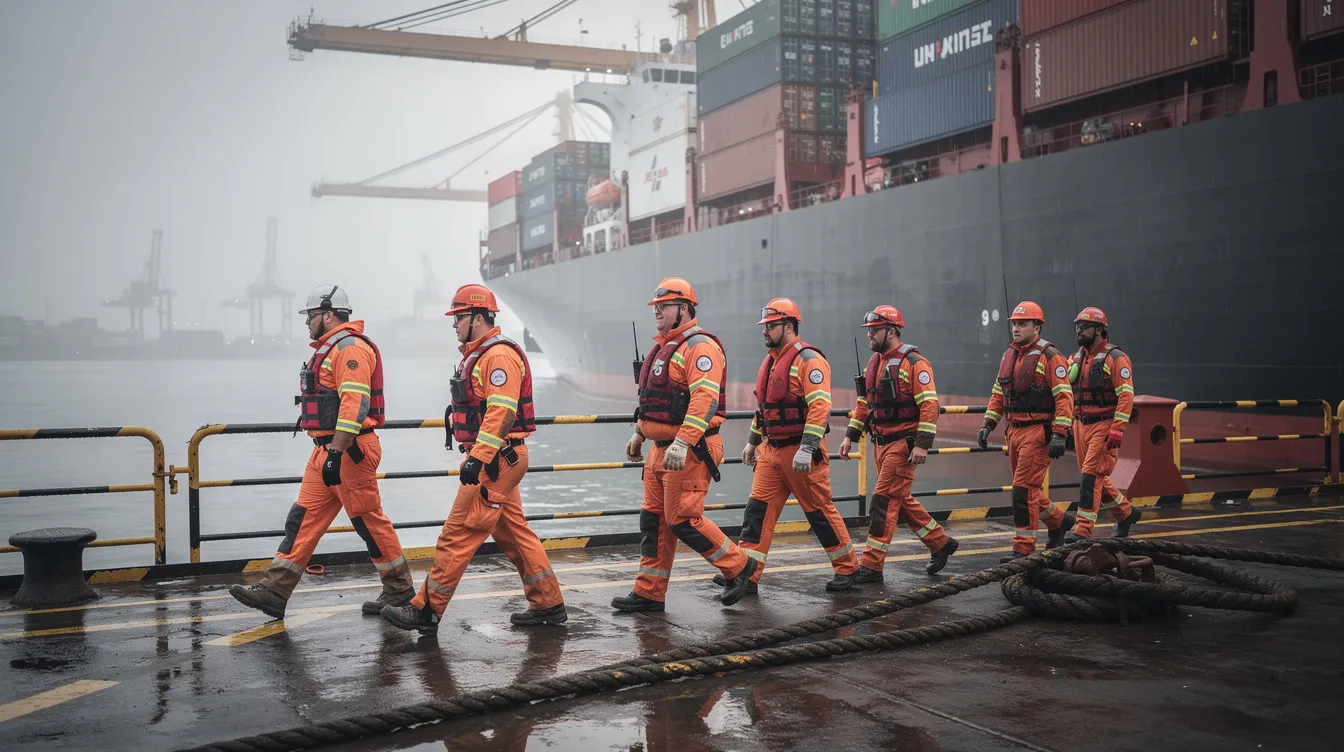
Compliance steps for shipowners and managers
- Continuous sanctions screening of trade routes, cargoes, beneficial owners, and charterers. This is not a one-time check; it must happen before each voyage and at regular intervals during longer charters.
- Maintaining valid MLC financial security for abandonment and repatriation, even when trading in higher-risk regions. If a P&I Club provides the cover, confirm the certificate is genuine, and the insurer is recognized. For more on war risk and insurance considerations, shipowners should review coverage gaps before entering sanctioned waters.
- Pre-voyage legal review of any trade involving sanctioned jurisdictions, including obtaining general licences or specific authorisations from relevant sanctions authorities (OFAC, EU, UK OFSI) to ensure crew wages, medical supplies, and repatriation costs can be paid.
Operational measures to protect crews
Ensuring crew welfare under sanctions pressure requires planning for the worst case. These steps go beyond paperwork:
- Safe manning levels on every voyage, with no shortcuts.
- Emergency cash or electronic wage payment channels that remain operational if corporate accounts are frozen. Pre-arranged escrow accounts or relationships with international banks experienced in sanctions-compliant transactions can provide a clear way forward.
- Adequate bunkers, potable water, food, and medical supplies on board, sufficient to sustain the crew through port access delays or supply chain disruptions.
- Transparent communication with seafarers when sanctions risks arise: candid briefings, contingency plans for crew relief, and named points of contact ashore who can respond at any time.
Working with unions and the ITF
Engagement with the International Transport Workers Federation is not a threat; it is a safety net. Responsible companies:
- Use ITF agreements where appropriate
- Invite ITF inspectors onboard during port calls
- Respond promptly to any ITF-flagged welfare concerns to avoid escalation
- Treat union engagement as a form of quality assurance, not adversarial oversight
Nautilus Shipping’s practices
At Nautilus Shipping, crew management integrates human rights due diligence into every technical and commercial management decision:
- 24/7 crewing support teams monitor contracts and rotation dates. No seafarer should remain aboard past the range of their contractual service period without documented consent and a clear return date.
- Internal escalation protocols activate if wages are delayed beyond a set threshold. The problem of delayed wages triggers senior management review within days, not months.
- Predefined repatriation and substitution plans exist for situations where sanctions disrupt normal travel or banking channels.
- Crew welfare and retention programs include regular mental health check-ins, connectivity provisions, and ensuring shore leave whenever port conditions allow.
Engaging flag states and port authorities
When trouble emerges, early action matters. Shipowners and managers should:
- Notify the flag state immediately if sanctions exposure is identified or if there is any risk of abandonment
- Share crew lists, contracts, and financial security documentation with port authorities cooperatively
- Be willing to divert vessels to safe ports for inspections, crew changes, and medical evacuations if needed
- Work through London-based or regional P&I correspondents to coordinate legal and logistical responses in the relevant jurisdiction
Sanctions do not eliminate accountability. They increase it. The companies that treat crew welfare as a cost to be minimized in April will find themselves facing vessel arrests and reputational damage by the end of the year. The companies that invest in compliance and people will keep their fleets operating and their seafarers safe.
If you are a shipowner seeking a management partner that treats sanctions compliance and seafarer welfare as non-negotiable priorities, contact Nautilus Shipping to discuss how we can support your fleet.
Frequently Asked Questions
The questions below address practical concerns that operators and seafarers often raise about sanctions, abandonment, and rights at sea, covering topics not fully addressed in the main sections above.
Are seafarers themselves subject to sanctions if their ship or owner is blacklisted?
In most regimes, including US (OFAC), EU, and UK sanctions, designations target entities and trades, not individual crew members performing routine duties. Sanctions authorities generally allow payment of wages and repatriation costs even when the owning or operating company is designated. The challenge is practical: banks and payment processors sometimes refuse to execute transactions for fear of compliance risk, even when a general licence permits it. Seafarers should not be worse off than any other worker because their employer engaged in prohibited trade.
What can a seafarer do immediately if wages stop and the vessel is stuck at anchor?
A seafarer in this situation should take these steps in order: contact shipboard management and the company’s Designated Person Ashore (DPA) in writing to create a record; inform their national union or the International Transport Workers Federation via the ITF hotline or web form at itfglobal.org; collect copies of their seafarer employment agreement, wage slips, and any communications from the company; log evidence of non-payment and supply shortages with dates; and, if the vessel is near a port, request a port state inspection.
How long can a seafarer be kept on board under the Maritime Labour Convention?
The MLC normally limits continuous service to a maximum of 11 to 12 months, depending on the flag state and contractual terms. After that period, seafarers are entitled to repatriation at the shipowner’s expense. Sanctions do not remove this right, although they may complicate travel arrangements and flight bookings. Flag states and port states retain obligations to assist with repatriation even when commercial operators have disappeared.
Who ultimately pays outstanding wages when a sanctioned vessel is sold?
When owners default on obligations, maritime liens attach to the vessel for crew wage claims, repatriation costs, and other employment claims. Courts in the port state where the vessel is detained may order an arrest and sale of the ship. Proceeds are distributed according to the priority of liens, with crew wages typically ranking first, before secured creditors or cargo interests. In the MV Jinan case, USD 242,872 from the vessel sale was allocated to crew. Unions and the ITF often support seafarers through this legal process, covering legal costs and coordinating with local counsel.
How does Nautilus Shipping help prevent crews from being stranded on high-risk trades?
Nautilus Shipping performs strict sanctions and counterpart screening before accepting any management or crewing contract. We refuse opaque or non-compliant trades. We maintain crew welfare funds and emergency procedures, including pre-arranged repatriation plans and alternative wage payment channels. We cooperate with flag states, port authorities, unions, and the International Transport Workers Federation to resolve any emerging welfare issues before they become crises. Our innovations in crew management include 24/7 monitoring of contract expiry dates, rotation schedules, and welfare conditions across every vessel we manage.